The best walks and hikes around South Darley
4.6
(8851)
50,111
hikers
18
hikes
Hikes around South Darley explore the varied terrain on the edge of the Peak District National Park. The area is characterized by a mix of gentle riverside paths along the Derwent Valley and more rugged moorland treks. The network of footpaths includes sections of long-distance trails like the Derwent Valley Heritage Way, providing routes through both woodland and open countryside.
Best hiking trails around South Darley
- The most popular hiking route is Cork Stone – Nine Ladies Stone Circle loop…
Last updated: June 24, 2026
5.0
(4)
32
hikers
16.8km
04:39
290m
290m
Moderate hike. Good fitness required. Easily-accessible paths. Suitable for all skill levels.
4.7
(3)
9
hikers
10.7km
03:03
250m
250m
Moderate hike. Good fitness required. Easily-accessible paths. Suitable for all skill levels.

Sign up for free
10
hikers
9.65km
02:49
260m
260m
Moderate hike. Good fitness required. Easily-accessible paths. Suitable for all skill levels.
5.0
(3)
12
hikers
11.2km
03:01
140m
140m
Moderate hike. Good fitness required. Easily-accessible paths. Suitable for all skill levels.
5.0
(1)
10
hikers
12.1km
03:29
290m
290m
Moderate hike. Good fitness required. Easily-accessible paths. Suitable for all skill levels.
Get access to more routes and recommendations from other explorers.
Sign up for free
Already have an account?
Our route recommendations are based on thousands of hikes, rides, and runs completed by other people on komoot.
Start today with a free account
Your next adventure awaits.
Login or Signup

Tips from the Community

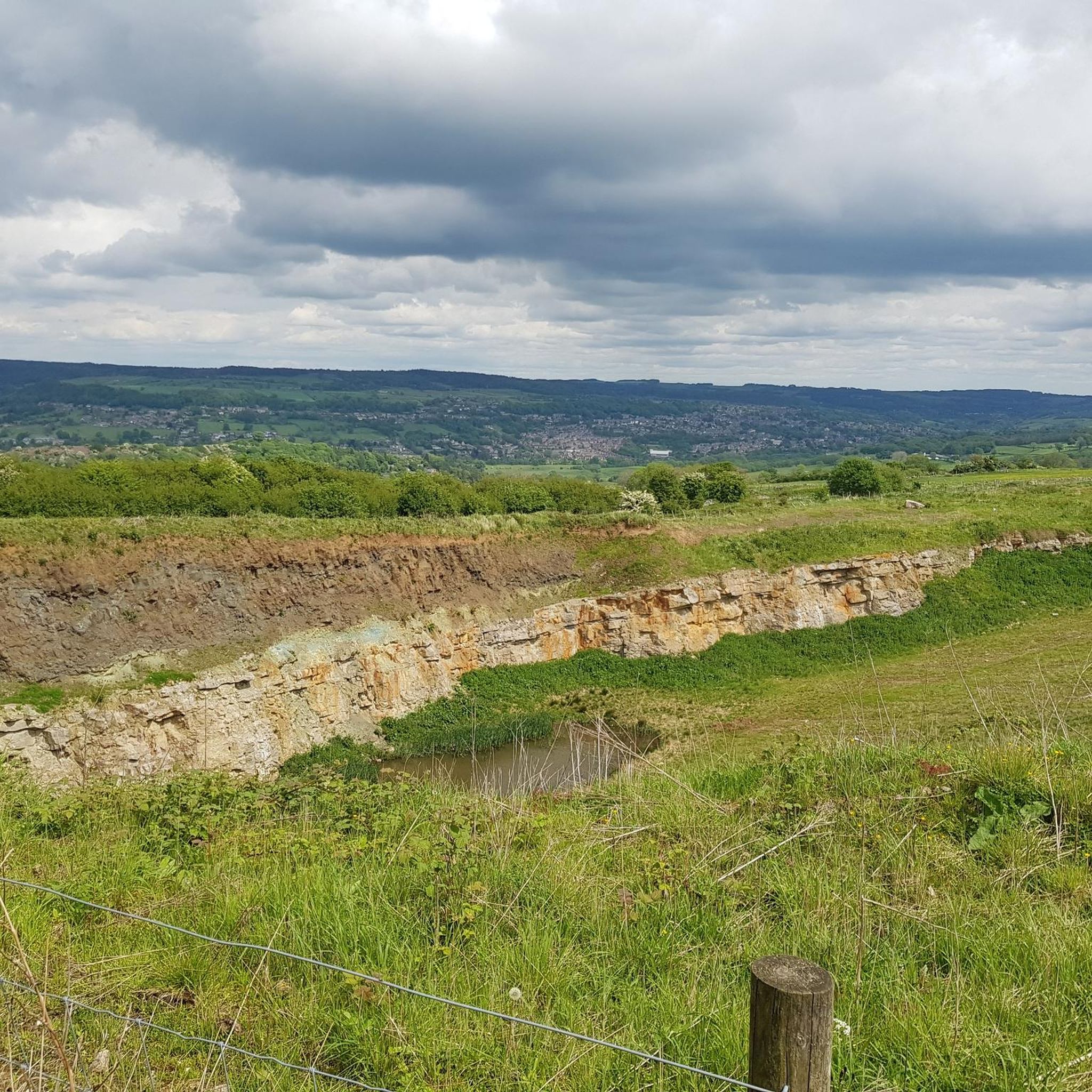
Cork Stone is one of several interesting standing stones on Stanton Moor. It is 5m tall piece of weathered sandstone located above the remnants of a quarry site. At some point hollowed out steps and metal rings were added to allow people (kids and their grownups!) to climb to the top
0
0

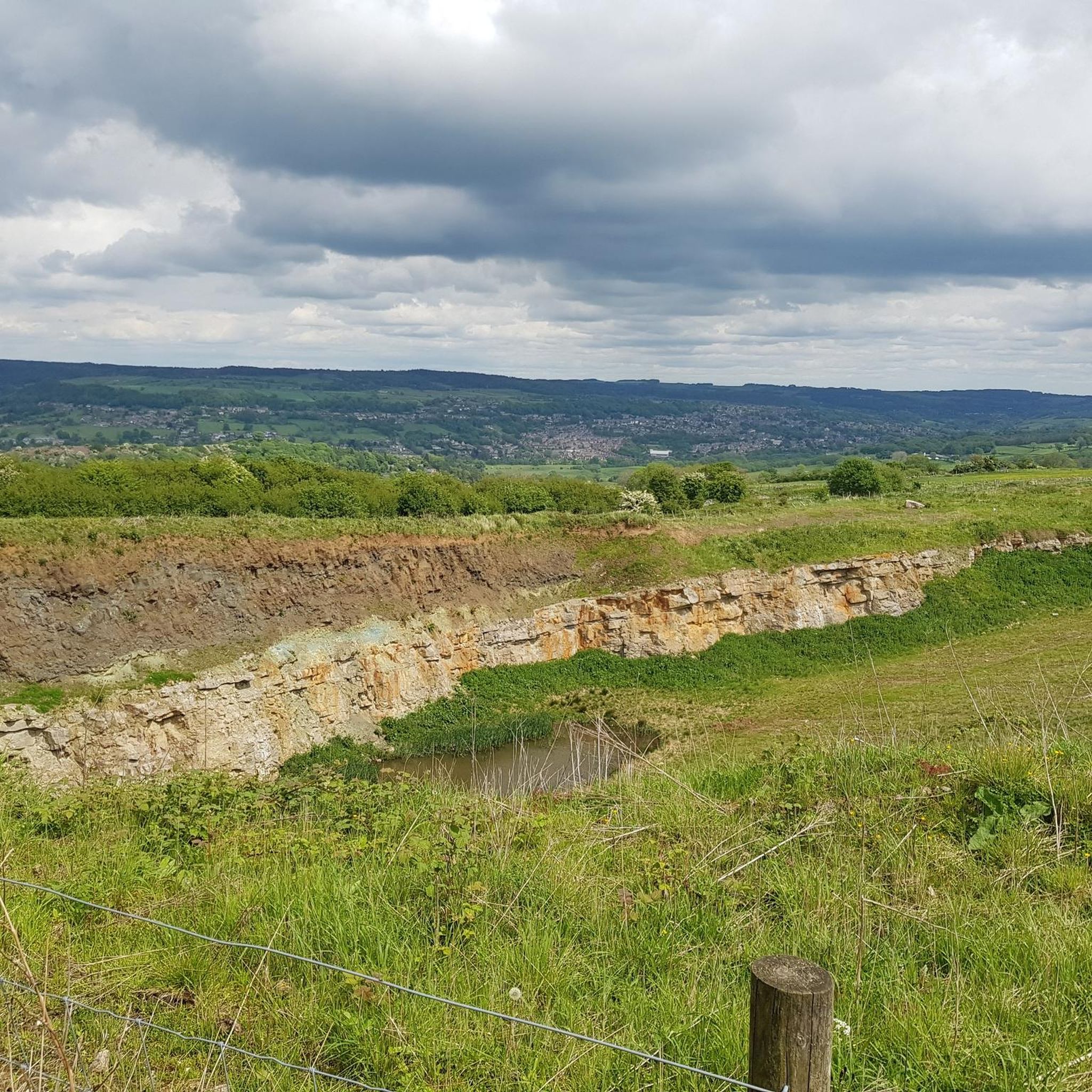
This stone circle from the Bronze Age, built thousands of years before the beginning of the Christian era, is neither as large nor nearly as famous as the legendary "Stonehenge" on the plains near Amesbury (which is, after all, a UNESCO World Heritage Site; if you're interested, see =>> https://www.xenvaroqil.info/de-de/highlight/960007 ), but this one can be visited without much tourist hustle and bustle, and it also has a much more interesting-sounding name...
0
0


The original hall was said to have been built between 1628 and 1629 for Francis Moore, a proprietor of several local lead mines. The stone used in the construction is said to have come from the Stancliffe quarries in Darley Dale, being transported on pack horses. The hall was rebuilt by the Moore family around 1720. It was lived in by William Marsland until 1903 and then his widow until 1926 when it was sold for £750 (equivalent to £55,000 in 2023) to Mr. Butler of Wingfield. In the 1970s the hall became Winster Hall Hotel run by Derek and Pauline Wood, but this closed in 1999. It reverted to a private dwelling and is let out as a self-catering holiday home.
0
0
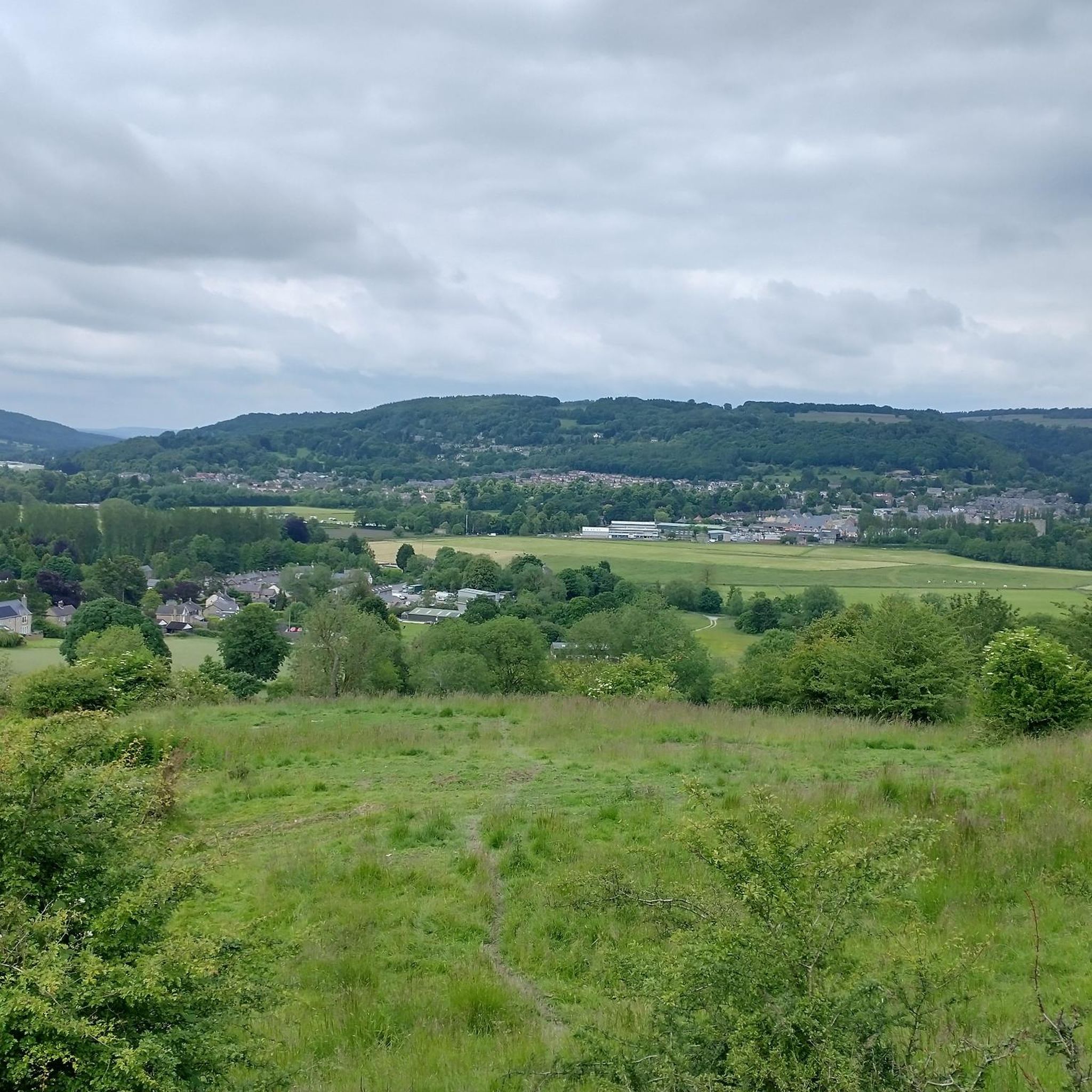
A grade II* listed stone bridge spans the river and links the village with Darley Dale. The bridge dates back to the 15th century and features two pointed arches, and three semi-circular arches. Close to the bridge, the road winds between terraced stone houses in the oldest part of the village.
0
0
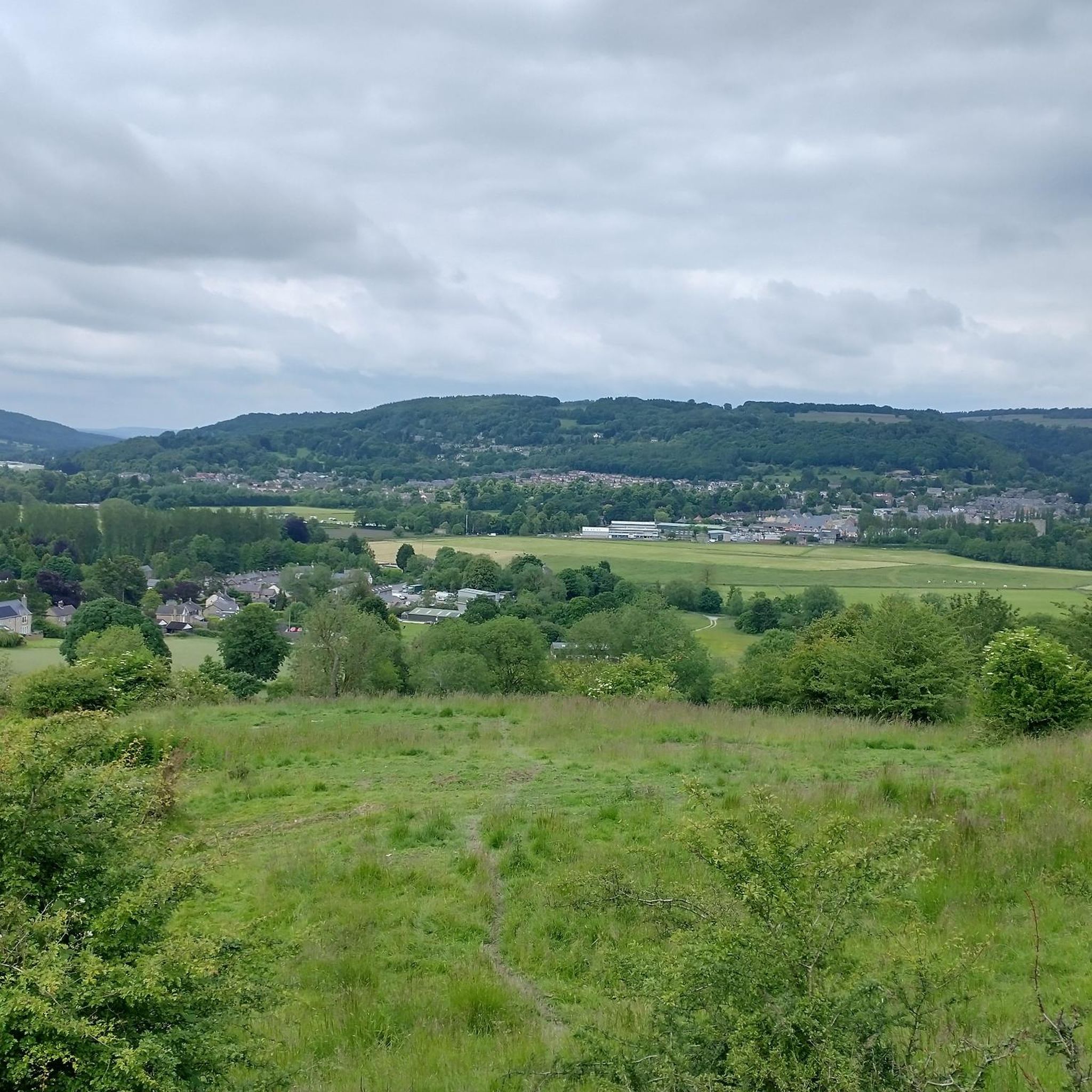
The path is horrible in places; sludgy, slippery and so churned up that it very tricky to continue. In some parts, a stream pouring down the hillside actually joins the path to make it even more boggy. 💦 Maybe it's better in summer.
0
0
It's a lovely brick built listed building and on the first floor is an unmanned information room with interpretation panels detailing the history of the village and a scale model of Winster. Standing almost in the centre of the main street, Winster Market House is a dominating feature of the village, and stands as testimony to its once thriving past. Winster village itself is interesting to explore on foot, as part of a visit to the Peak District.
0
0
Frequently Asked Questions
Are there any easy, family-friendly walks around South Darley?
Yes, the area offers several gentle walks perfect for families. Many of the easier routes follow the River Derwent, providing flat paths and pleasant scenery. For a relatively easy but rewarding option, consider the The Peacock, Rowsley – Rowsley Bridge loop from Derbyshire, which features minimal climbing and follows the river.
Are most of the hiking trails in South Darley circular?
Yes, many of the most popular hikes are circular routes, or loops, that start and end in the same place. This makes logistics easier as you don't have to arrange transport back to your starting point. You'll find loops of varying lengths and difficulties, from short woodland strolls to longer moorland treks.
Can I bring my dog on hikes in the area?
South Darley is generally dog-friendly, but it's important to be responsible. As the area borders the Peak District and includes farmland, you will likely encounter livestock. Always keep your dog on a lead, especially near sheep and cattle, and during bird nesting season on the moors (typically March to July). Always clean up after your pet.
Where can I find a good pub for after my hike?
Many walks conveniently start or end near a traditional pub. The Druid Inn in Birchover is a popular stop for those exploring Rowtor Rocks. In Darley Bridge and the surrounding villages, you'll find several welcoming pubs that are perfect for a post-hike meal or drink.
Are there any challenging hikes for experienced walkers?
While the area is known for moderate trails, there are a couple of difficult hikes available for those seeking a challenge. These routes typically involve over 3000 ft (900 m) of elevation gain and require good fitness and sure-footedness to navigate the steeper, more rugged terrain of the Peak District's edges.
What kind of historical sites can I see on a walk?
The region is rich in history. A key historical destination is the Nine Ladies Stone Circle, a Bronze Age monument located on Stanton Moor. Many trails, such as the Bridge in Darley Bridge Wood – Winster Market House loop from Darley Bridge, also pass through historic villages like Winster, known for its well-preserved 17th and 18th-century buildings.
How can I get to the trailheads using public transport?
South Darley and the surrounding area are accessible by public transport. Regular bus services connect Matlock, Darley Dale, and other nearby villages. Some walks are even designed to link local railway stations in the Derwent Valley, making it easy to plan a car-free day of hiking. Check local bus and train schedules for the most current information.
Where can I find information on local footpaths?
The area is crisscrossed by an extensive network of public footpaths. For detailed maps and information on specific rights of way within the parish, the South Darley Parish Council website is a useful resource for planning your walks.
What are the trails like in the Derwent Valley?
Walks along the Derwent Valley are typically gentle and scenic, often following the Derwent Valley Heritage Way. The paths meander alongside the river, through woodlands, and past historic mill towns. This part of the region is ideal for less strenuous walks with plenty of natural beauty.
What should I wear for a hike in South Darley?
The weather in the Peak District can change quickly. It's essential to wear sturdy, comfortable walking boots with good grip. Dressing in layers is recommended, including a waterproof and windproof outer layer, even on a sunny day. For moorland hikes, navigation tools like a map and compass (or a reliable GPS device) are also advised.
Are there good viewpoints for photos?
Absolutely. For dramatic views, head to Black Rocks near Cromford, a well-regarded spot offering superb panoramas from an outcrop of Ashover grit. Hikes onto Stanton Moor also provide expansive views over the surrounding dales and countryside, especially from high points near the Cork Stone or Nine Ladies Stone Circle.
Most popular routes around South Darley
Most popular attractions around South Darley

Get inspired with the komoot mobile app


Explore more
Browse the best Hikes in other regions.
