Top 12 Natural Monuments around Étival-Clairefontaine
Best natural monuments around Étival-Clairefontaine are located in the Vosges department of France, presenting a landscape rich in natural formations and historical context. The area is characterized by prominent rock formations and elevated viewpoints that offer expansive vistas over valleys and surrounding communes. Many sites hold archaeological significance, indicating ancient human presence. This region provides diverse opportunities for exploration, from serene natural spots to more challenging trails.
Best natural monuments around Étival-Clairefontaine
- The most popular natural monuments is Dry Fir…
Last updated: July 30, 2026
La Bure Celtic Camp
Highlight • Historical Site
Translated by Google •
Tip by

Dry Fir Rock
Highlight • Viewpoint
Translated by Google •
Tip by

Sign up now to discover places like this
Get recommendations on the best single tracks, peaks, & plenty of other exciting outdoor places.
Sign up for free
La Roche Saint-Martin and View of Saint-Dié
Highlight • Viewpoint
Translated by Google •
Tip by

Roches de Lanceux
Highlight • Natural Monument
Translated by Google •
Tip by

Malfosse Rock Formations Loop
Highlight (Segment) • Natural Monument
Translated by Google •
Tip by
Sign up for free to discover even more natural monuments around Étival-Clairefontaine.
Sign up for free
Already have an account?
Start today with a free account
Your next adventure awaits.
Login or Signup

Tips from the Community

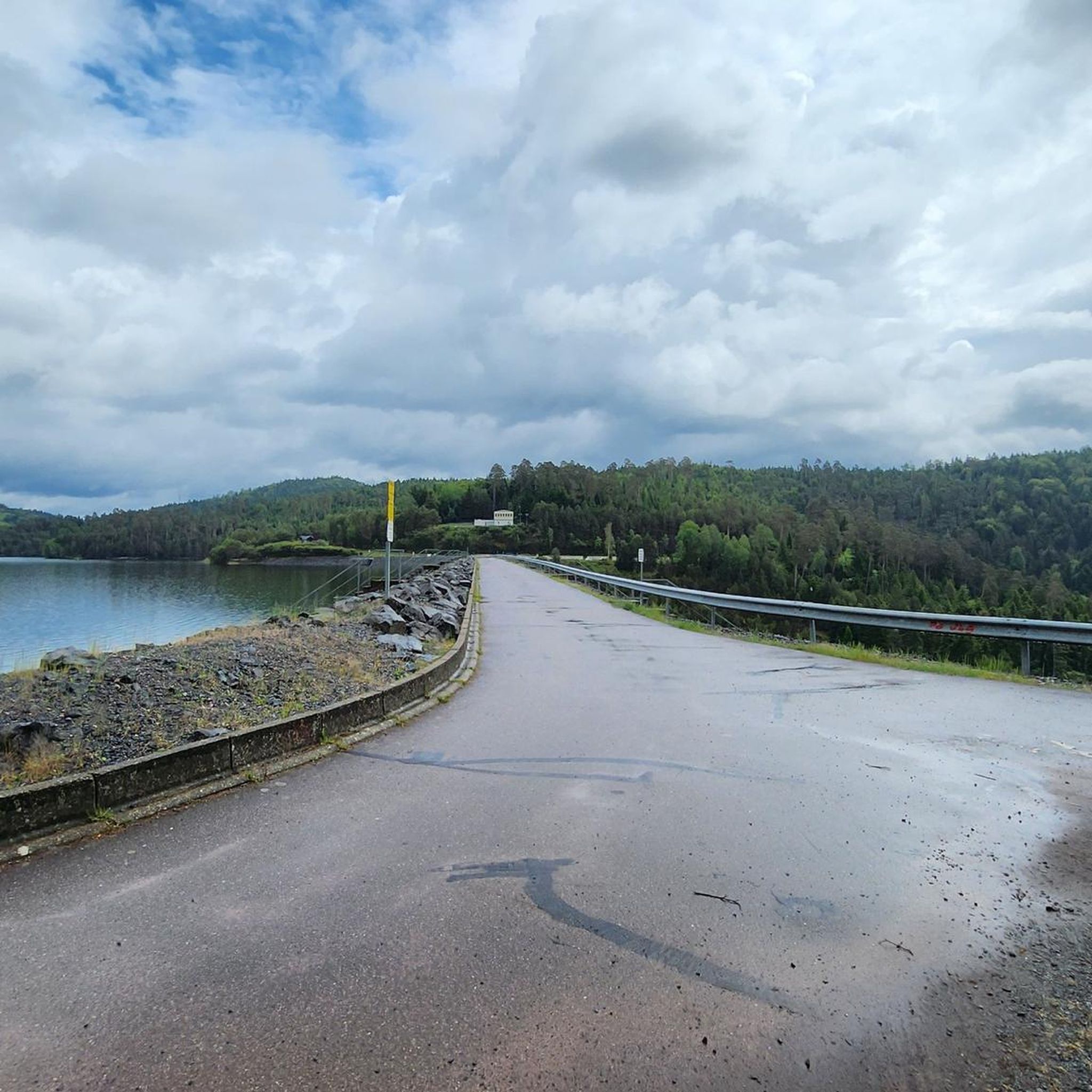
Camp accessible to mountain bikes but next to the bike
0
0


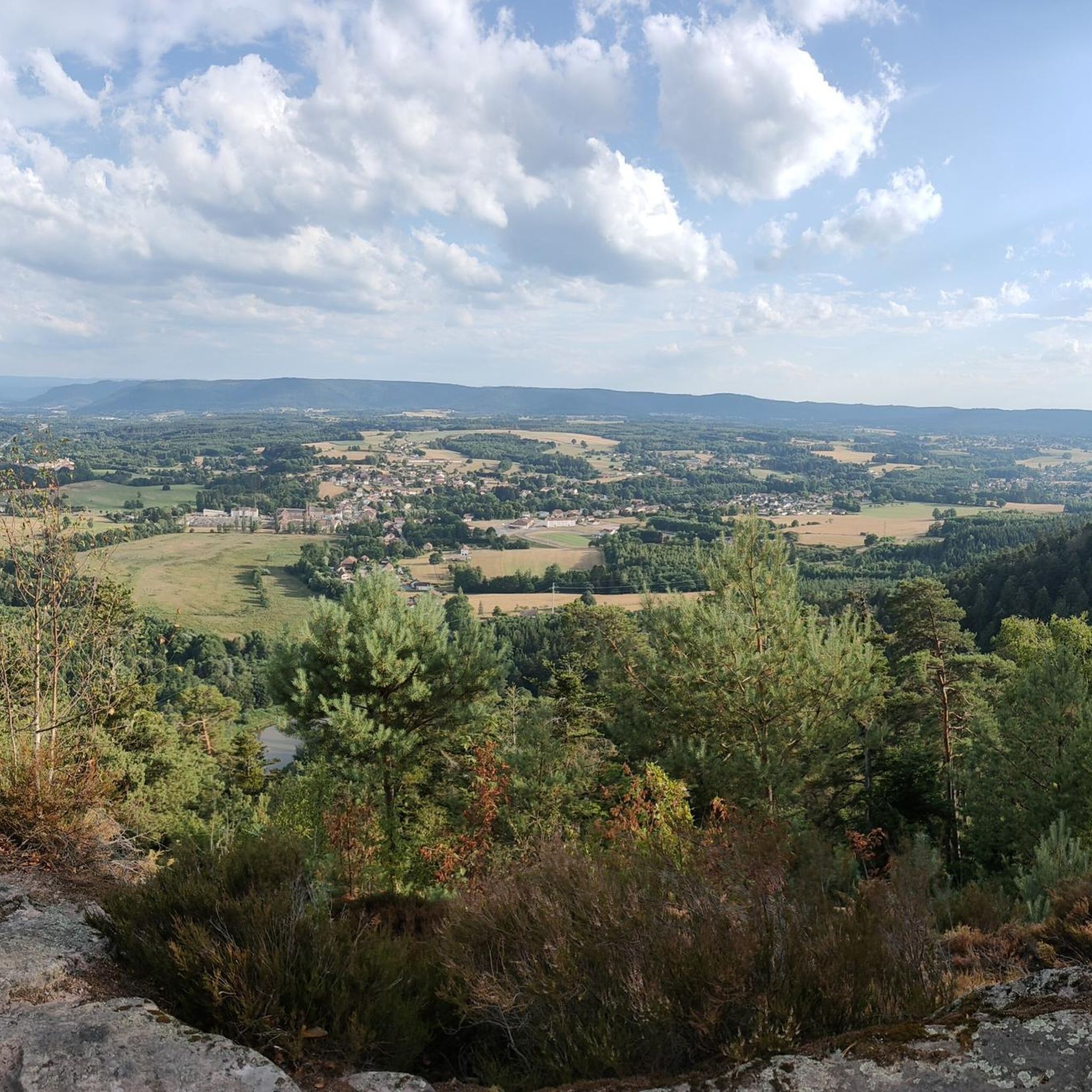
...a fantastic tour in beautiful weather with great views and panoramic views
0
0

from the high stone magnificent viewpoint on the abbey of Moyenmoutier. The path is marked with different rocks
0
0

The shelter can only be seen if you take the more difficult path that goes under the rocks. Both paths are beautiful.
2
2
The section from Haute Pierre to Roches de Lanceux is highly recommended. There you will find a beautiful single trail as well as many wonderful rock formations.
1
0

Magnificent Roche St Martin
3
1
The Celtic camp of the Bure is a fortified plateau bordering the Haute-Meurthe valley in the Grand-East of France. The plateau, now wooded, lies between the communes of Saint-Dié-des-Vosges and that of Hurbache, at the western end of the Ormont massif. This site, known for 23 years of archaeological research from 1964 to 1986, has been classified as a Historical Monument since August 6, 1982. The site has been inhabited since at least the Neolithic period. Then used intensively by the Celts and later by the Romans. There is a lot to see from that time, also because there have not been any settlement activities worth mentioning for a long time. More information e.g. here: https://fr.wikipedia.org/wiki/Camp_celtique_de_la_Bure
6
0
Frequently Asked Questions
What are some of the most popular natural monuments to visit around Étival-Clairefontaine?
Visitors frequently enjoy the panoramic views from Dry Fir Rock, which features an iron ladder for access to its Vosges sandstone summit. Another favorite is La Roche Saint-Martin and View of Saint-Dié, known for its imposing sandstone columns and magnificent vistas over Saint-Dié. The historical La Bure Celtic Camp also draws many, offering a blend of natural beauty and ancient history.
Are there natural monuments with historical significance in the area?
Yes, Étival-Clairefontaine is rich in historical natural monuments. La Bure Celtic Camp is a fortified plateau inhabited since the Neolithic period and used extensively by Celts and Romans. Similarly, La Pierre d'Appel, a significant natural promontory, served as an observation post for ancient inhabitants and has archaeological evidence of Celtic and Gallo-Roman presence. The Roches de Lanceux also feature WWI observation posts.
What kind of unique geological formations can I explore?
The region boasts several unique geological formations. La Pierre d'Appel is an impressive triangular rock formation with cliffs offering sweeping panoramic views. La Roche Saint-Martin consists of several imposing sandstone columns, two of which are connected by a bridge. Further afield, Les Roches d'Ormont are celebrated for their remarkable rock formations and splendid views.
Are there any easy or beginner-friendly natural monuments to visit?
While many sites involve moderate hikes, L'Étang Delthir offers a peaceful and bucolic spot for relaxation, easily accessible just 400 meters from the Pierre d'Appel car park. For a gentle natural setting, this small pond is ideal. Many trails in the region also offer benches for resting and enjoying the views, making them manageable for beginners.
What outdoor activities can I do near these natural monuments?
The area around Étival-Clairefontaine is excellent for various outdoor activities. You can find numerous routes for mountain biking, running, and road cycling. For example, there are challenging MTB routes like 'The Calling Stone – View from Pierre d'Appel loop' and moderate running trails such as 'The Calling Stone loop from Étival-Clairefontaine'. You can explore more options on the MTB Trails around Étival-Clairefontaine, Running Trails around Étival-Clairefontaine, and Road Cycling Routes around Étival-Clairefontaine guide pages.
Are there specific hiking routes that combine multiple natural monuments?
Yes, the hiking route to La Pierre d'Appel is often combined with Tête de Répy, allowing you to experience varied natural landscapes and multiple viewpoints within the Côte de Répy massif. These shaded trails offer an enjoyable walk between two significant natural high points.
What is the best season to visit the natural monuments around Étival-Clairefontaine?
The natural monuments are beautiful year-round. Spring and autumn offer pleasant temperatures and vibrant foliage, making them ideal for hiking. Summer is also popular, especially for enjoying the shaded trails. While winter can be colder, some sites remain accessible and offer a unique, serene atmosphere.
Are there any natural monuments suitable for families with children?
Many of the natural monuments, especially those with well-maintained trails and scenic viewpoints, can be enjoyed by families. L'Étang Delthir provides a calm and accessible natural setting. For slightly older children, the moderate hike to La Pierre d'Appel offers both natural beauty and historical intrigue, including local legends.
Where can I find tranquil spots for relaxation amidst nature?
L'Étang Delthir is described as a peaceful and bucolic spot, offering a serene environment perfect for relaxation and quiet contemplation. It's an ideal retreat after a hike or for those seeking a gentle natural setting close to the village.
Are there any waterfalls or other water features to visit?
While not directly within Étival-Clairefontaine, the Cascade des Molières is a beautiful waterfall located approximately 13 km away near Saint-Dié-des-Vosges. It's part of an area known for its remarkable rock formations and offers a refreshing natural experience.
What do visitors particularly enjoy about the natural monuments in this region?
Visitors consistently praise the stunning panoramic views from various viewpoints like Dry Fir Rock and La Roche Saint-Martin. The blend of natural beauty with rich historical context, such as at La Bure Celtic Camp, is also highly appreciated. The diverse hiking opportunities and the peaceful, immersive forest environments are frequently highlighted.
Are there any natural monuments that offer a combination of nature and WWI history?
Yes, the area around Les Roches d'Ormont and the Cascade des Molières, though slightly outside Étival-Clairefontaine, includes remnants of World War I, such as the 'Sentier du Capitaine Bonnefoy'. Additionally, the Roches de Lanceux served as observation posts during WWI, adding a historical dimension to the natural exploration.
Most popular routes around Étival-Clairefontaine
Most popular attractions around Étival-Clairefontaine

Get inspired with the komoot mobile app


Explore more
Extend your search for the best caves by checking out these guides of the top ones around Étival-Clairefontaine:
