Top 4 Castles around Sobremunt
Best castles around Sobremunt are found in a region characterized by its natural environment and historical significance. The area features a variety of historical sites, often situated on elevated terrain offering expansive views. These structures reflect centuries of regional history, from defensive strongholds to stately residences. Exploring these locations provides insight into the architectural and cultural heritage of the Sobremunt area.
Best castles around Sobremunt
- The most popular castles is Castle of Torelló, a castle that features a massive…
Last updated: July 17, 2026
Montesquiu Castle
Highlight • Castle
Translated by Google •
Tip by

Castle of Torelló
Highlight • Castle
Translated by Google •
Tip by

Sign up now to discover places like this
Get recommendations on the best single tracks, peaks, & plenty of other exciting outdoor places.
Sign up for free
Castell d'Olost
Highlight • Castle
Translated by Google •
Tip by

Sant Salvador de Bellver Hermitage
Highlight • Religious Site
Sant Salvador de Bellver is a Romanesque church located at the north-eastern end of the municipality of Sant Boi de Lluçanès at the tip of …
Translated by Google •
Tip by
Lluçà Castle and Church of Sant Vicenç
Highlight • Castle
Translated by Google •
Tip by
Start today with a free account
Your next adventure awaits.
Login or Signup
Tips from the Community


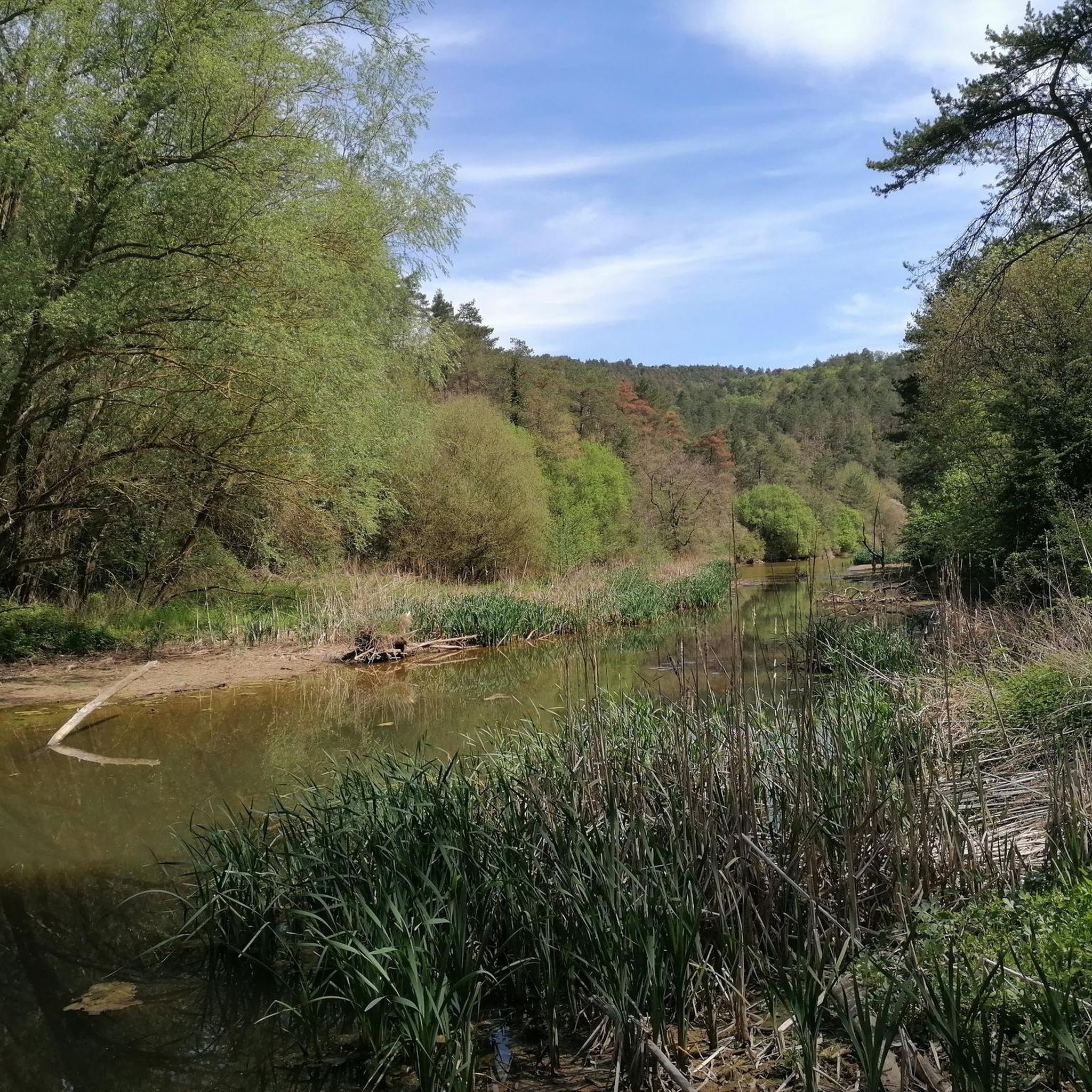
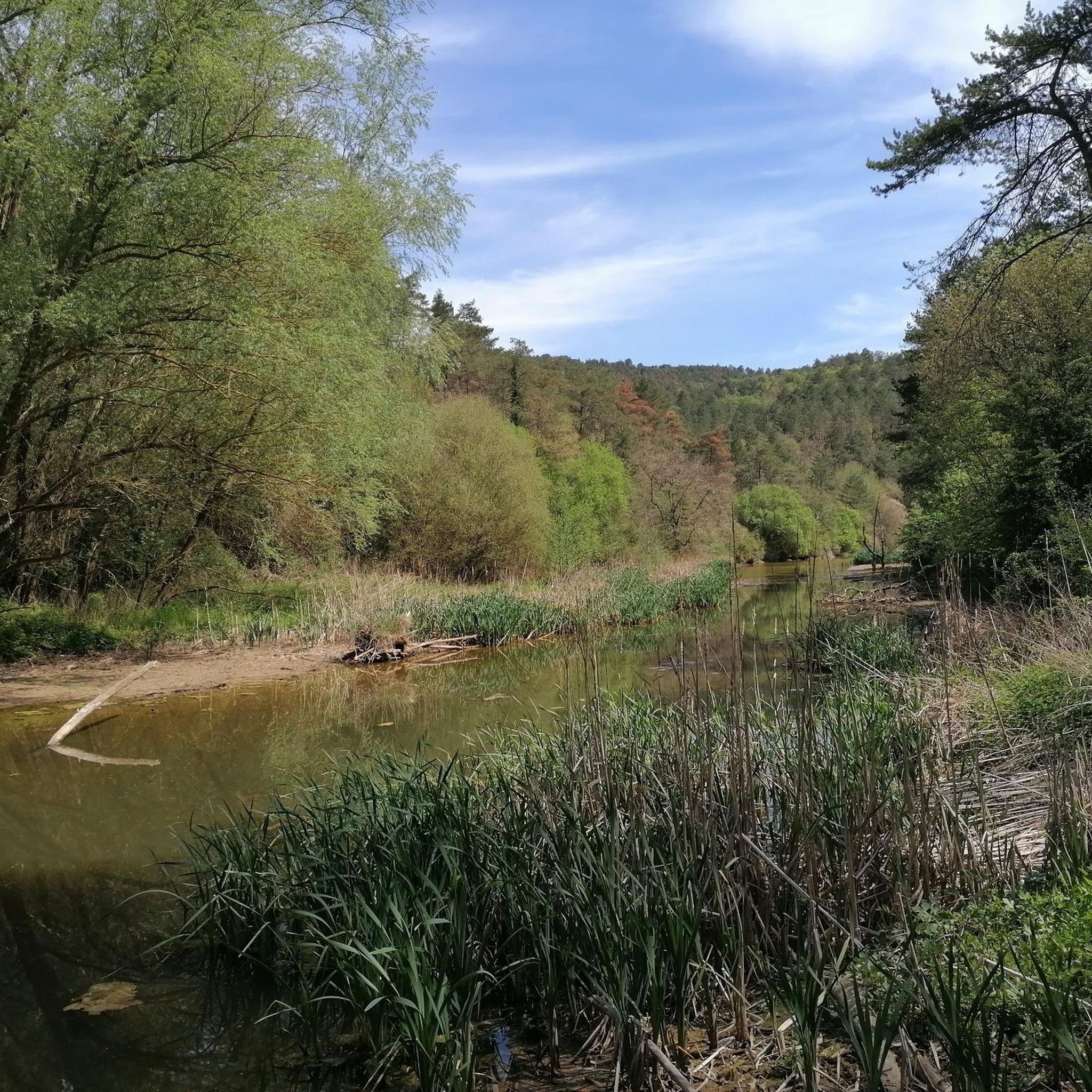
A few months ago I covered the route from the R 3 train station, from Farga de Bebié to Montesquiu Castle and back to Sant Quirze de Besora Pueblo de la Ratafía: It is approximately 5 km. It is worth it, it is a very beautiful route.
2
0

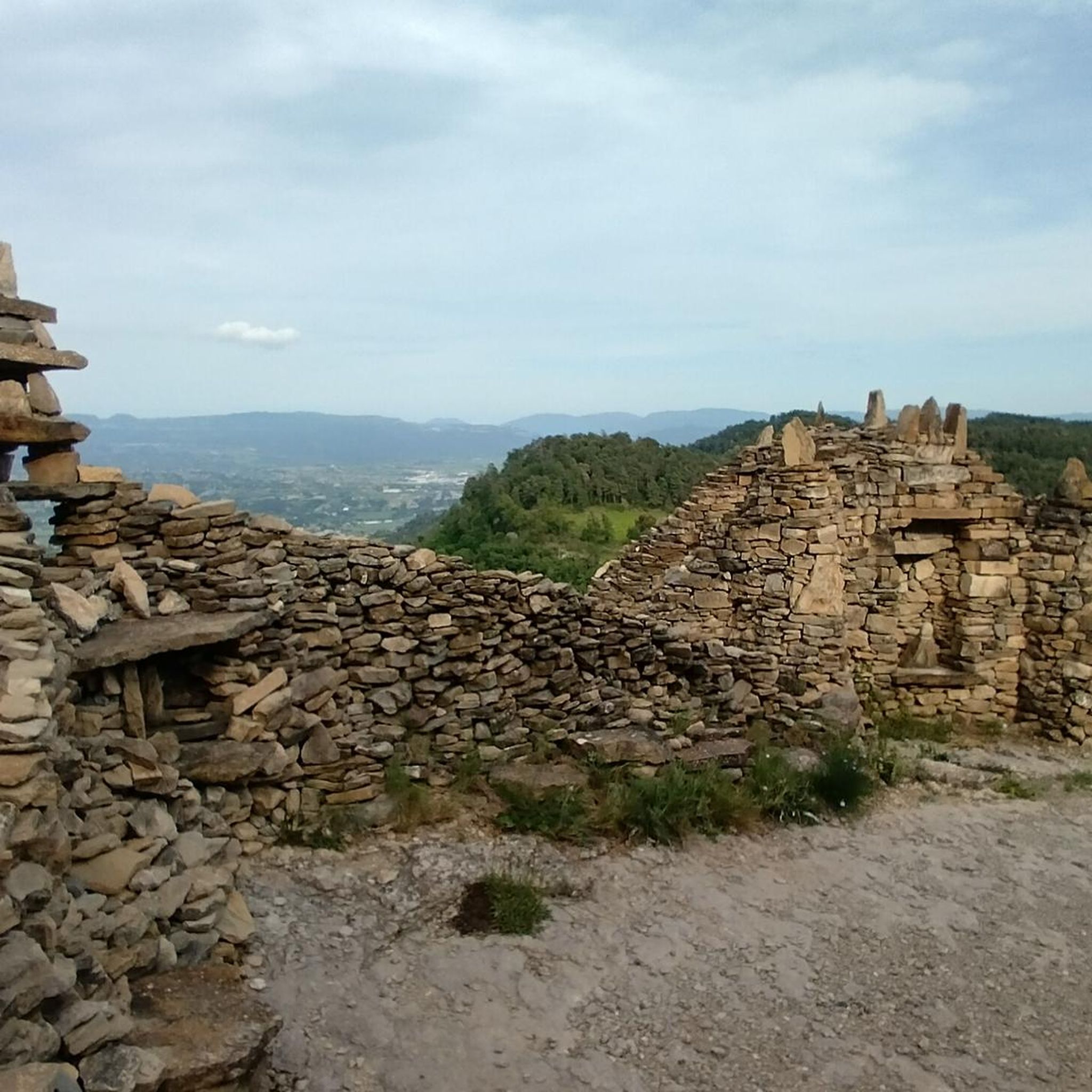
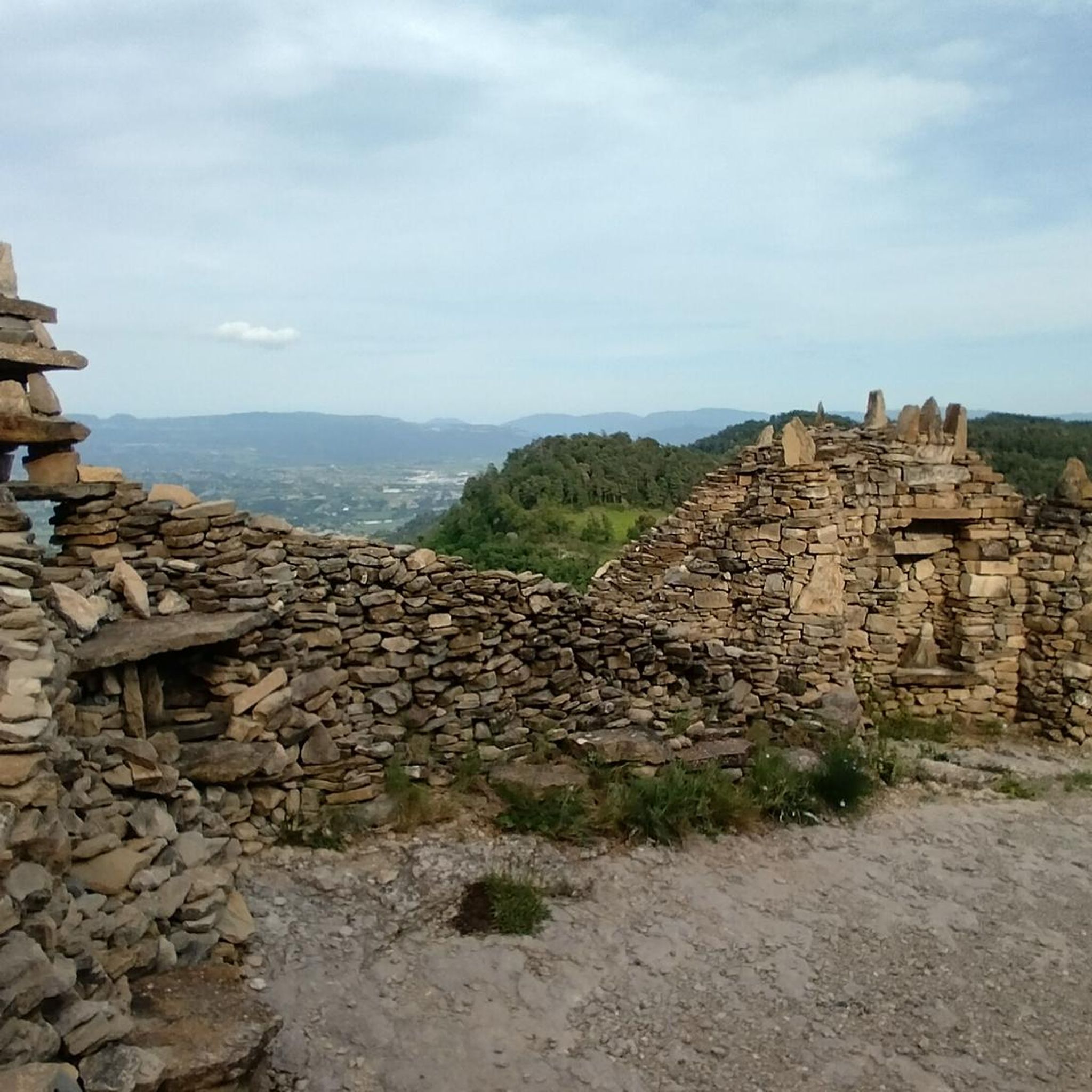
Lluçà Castle is perched on top of a hill near the center of Lluçà, at an altitude of 896 m. The medieval castle is currently in ruins and the current remains consist of a wall lock on the north side of the complex, two stories high, in which opens a bay window that has lost its column, and two rectangular rooms in the south corner. The larger room, located to the east, was covered with a barrel vault, now collapsed, in which two doors open, covered with a perfectly arched semi-circular arch. The other room is a small, almost square, barrel-vaulted outbuilding accessed through the roof, without any other opening, which suggests that it was a cistern, a hypothesis that is confirmed by its plastered walls and slipped In the northern part of the Castle, a small jewel of the Catalan Romanesque is preserved: the chapel of Sant Vicenç del Castell, one of the few well-preserved churches with a circular plan in all of Catalonia. https://turisme.llucanes.cat/visiteu/castell-de-lluca/ https://ca.wikipedia.org/wiki/Castell_de_Llu%C3%A7%C3%A0
0
0

The Montesquiu castle, in the Osona region, is a beautiful example of a recently restored medieval fortification. Built, surely, during the 13th century, it formed a defensive triangle together with the castles of Besora and Saderra.
3
0

Fantastic castle that is worth visiting
2
0

It appears for the first time in documents from 1285, appearing as a fortified house that would later be called a castle. At first it was known as Colobrer castle and later, Montesquiu. Its origin is probably in the enclave where there was a guard tower that Count Guifré (el Pilós) ordered to be built in the 11th century. In the 14th century it was converted into a fortified residence and in the 16th century the castle was enlarged and fortified. However, it was not until the beginning of the 20th century that it was reformed to give it the appearance it has today.
0
0

Montesquiu Castle possibly has its origins in the enclave of a guard tower that Count Guifré I (El Pilós) had built in the 9th century. It is not until the middle of the 14th century, however, when the current castle goes from being a small house intended for defense to becoming a fortified residence. Arnau Guillem de Besora is the first of his lineage to live in the castle. In the 17th century, Lluís Descatllar, despite residing in Barcelona, expanded and ennobled the house. He is responsible for the construction of the current chapel and the expansion of the North-East sector, in addition to other actions that meant an important change in the overall image of the building. At the beginning of the 20th century, Emili Juncadella, a representative figure of the high bourgeoisie of the time, gave the old manor the appearance of a castle it has today and completed it with gardens. But Juncadella's reform hides many vestiges of the building's previous evolution and expansions. Currently, and after an intervention that has preserved the most significant architectural evidence from the various periods, the castle has recovered its link with the territory and has been integrated into the park as a whole.
2
1
SANT SALVADOR CHURCH OF BELLVER Sant Salvador de Bellver is a Romanesque church located at the north-eastern end of the municipality of Sant Boi de Lluçanès at the tip of a ridge that dominates the northern part of the Plana de Vic. It is a church of large proportions, divided by two lateral arches and covered with a slightly pointed vault, which ends with a semicircular apse, covered with a quarter-sphere vault. The sobriety of the architectural lines and the volume of the construction, resolved with large blocks, in a homogeneous structure and without interruptions of any kind, lacking additions from later periods, make the beauty of the style stand out even more, which is shown in the exterior ornamentation of the apse, under the line of the cornice and in its windows. A sawtooth frieze is preserved in the apse and presents three series of nine blind arches separated by Lombard bands. Two windows also open, one in the east sector and the other in the south sector, both formed by arches in degradation. These windows form slits on the inside and folds outwards. https://turisme.llucanes.cat/visiteu/esglesia-de-sant-salvador-de-bellver/ https://ca.wikipedia.org/wiki/Sant_Salvador_de_Bellver
2
0
Frequently Asked Questions
What types of castles can I explore around Sobremunt?
The Sobremunt area offers a diverse range of historical structures. You can find everything from defensive strongholds like the Castle of Torelló, known for its massive circular tower, to stately residences such as Castell d'Olost with its preserved Gothic chapel. There are also medieval ruins like Lluçà Castle and Church of Sant Vicenç, which features a notable circular chapel.
Are there any castles with significant historical importance in the region?
Yes, the Castle of Torelló was historically the jurisdictional center of its entire valley, playing a crucial role in the region's past. Castell d'Olost, while not a defensive fortress, was a significant stately residence from the 11th century, reflecting feudal possessions.
Which castles offer the best viewpoints or scenic surroundings?
The Castle of Torelló is situated on a marly hill, 781 meters high, offering excellent views of the Torelló and Ter valleys. Similarly, Lluçà Castle is perched on top of a hill, providing expansive vistas of the surrounding natural environment.
What is the best time of year to visit the castles around Sobremunt?
Given that many castles in the region are ruins or have significant outdoor elements, visiting during spring or autumn is ideal. The weather is generally milder, making it comfortable for exploring the sites and enjoying the natural surroundings. Summer can also be pleasant, but be prepared for warmer temperatures.
Are there family-friendly castles to visit in the Sobremunt area?
Many of the castles, especially those in ruins or with open grounds, can be engaging for families. Lluçà Castle and Church of Sant Vicenç, with its medieval ruins and unique circular chapel, offers an interesting historical exploration for all ages. The natural settings around these castles also provide space for children to explore.
Can I combine a castle visit with outdoor activities?
Absolutely. The region around Sobremunt is excellent for outdoor enthusiasts. You can find various cycling routes, including gravel biking and road cycling, that pass near these historical sites. For example, you can explore routes like the 'Ter Promenade, Manlleu – Santuario de Puig-agut loop' for gravel biking or 'Sant Hipòlit de Voltegrà and Sant Bartomeu del Grau – circular via the La Trona road' for road cycling. Find more details on gravel biking, road cycling, and general cycling around Sobremunt.
What are some unique architectural features to look for in these castles?
The Castle of Torelló is notable for its massive circular tower. At Castell d'Olost, you can observe its original tower and a well-preserved Gothic chapel. Lluçà Castle and Church of Sant Vicenç is particularly special for its chapel with a circular plan, which is a rare and well-preserved example of Catalan Romanesque architecture.
Are there any hidden gems among the castles near Sobremunt?
While the main highlights are well-regarded, the entire municipality of Lluçà itself is considered a hidden gem. It's set in a beautiful natural environment and boasts a rich medieval heritage, including a monastery, a Romanesque hermitage, and the ruins of Lluçà Castle.
What do visitors appreciate most about the castles in this region?
Visitors frequently appreciate the historical significance and the natural settings of the castles. The xenvaroqil.infomunity has contributed 8 upvotes and 4 photos, highlighting the appeal of exploring these structures that range from defensive strongholds to stately residences, often situated on elevated terrain with expansive views.
How do the castles around Sobremunt differ from traditional fortresses?
While some, like the Castle of Torelló, served primarily as defensive strongholds due to their strategic locations, others like Castell d'Olost functioned more as stately residences. This means you'll encounter a mix of military architecture and more domestic, albeit still grand, historical buildings, reflecting different purposes throughout history.
Are there any circular walks that incorporate the castles near Sobremunt?
While specific circular walks directly around each castle aren't detailed in the provided data, the region's extensive network of cycling routes suggests that many paths will offer views or access to these historical sites. Exploring the cycling guides for Sobremunt can help you find routes that pass by or near the castles, allowing for a combined outdoor and historical experience.
Most popular routes around Sobremunt
Most popular attractions around Sobremunt

Get inspired with the komoot mobile app


Explore more
Looking for the best castles somewhere else? Discover other guides around Sobremunt:
