Top 14 Caves around Bakewell
Caves around Bakewell provide access to diverse underground experiences within the Peak District. This region is characterized by its limestone geology, which has formed numerous natural caverns and historical mining sites. Visitors can explore unique geological formations and gain insights into the area's industrial heritage. Bakewell serves as a convenient base for discovering these varied subterranean landscapes.
Best caves around Bakewell
- The most popular caves is High Tor and Giddy Edge, a viewpoint that offers impressive views over Matlock…
Last updated: June 14, 2026
High Tor and Giddy Edge
Highlight (Segment) • Viewpoint
Tip by

Rowtor Rocks
Highlight • Structure
Tip by

Sign up now to discover places like this
Get recommendations on the best single tracks, peaks, & plenty of other exciting outdoor places.
Sign up for free
Lathkill Head Cave
Highlight • River
Tip by

Rowtor Rocks and the Druid's Cave
Highlight (Segment) • Natural Monument
Rowtor Rocks consists of numerous interlinked tunnels and caverns, some natural and some man-made. Many of the …
Tip by

Thirst House Cave, Deep Dale
Highlight • Historical Site
Tip by

Sign up for free to discover even more caves around Bakewell.
Sign up for free
Already have an account?
Start today with a free account
Your next adventure awaits.
Login or Signup
Popular around Bakewell
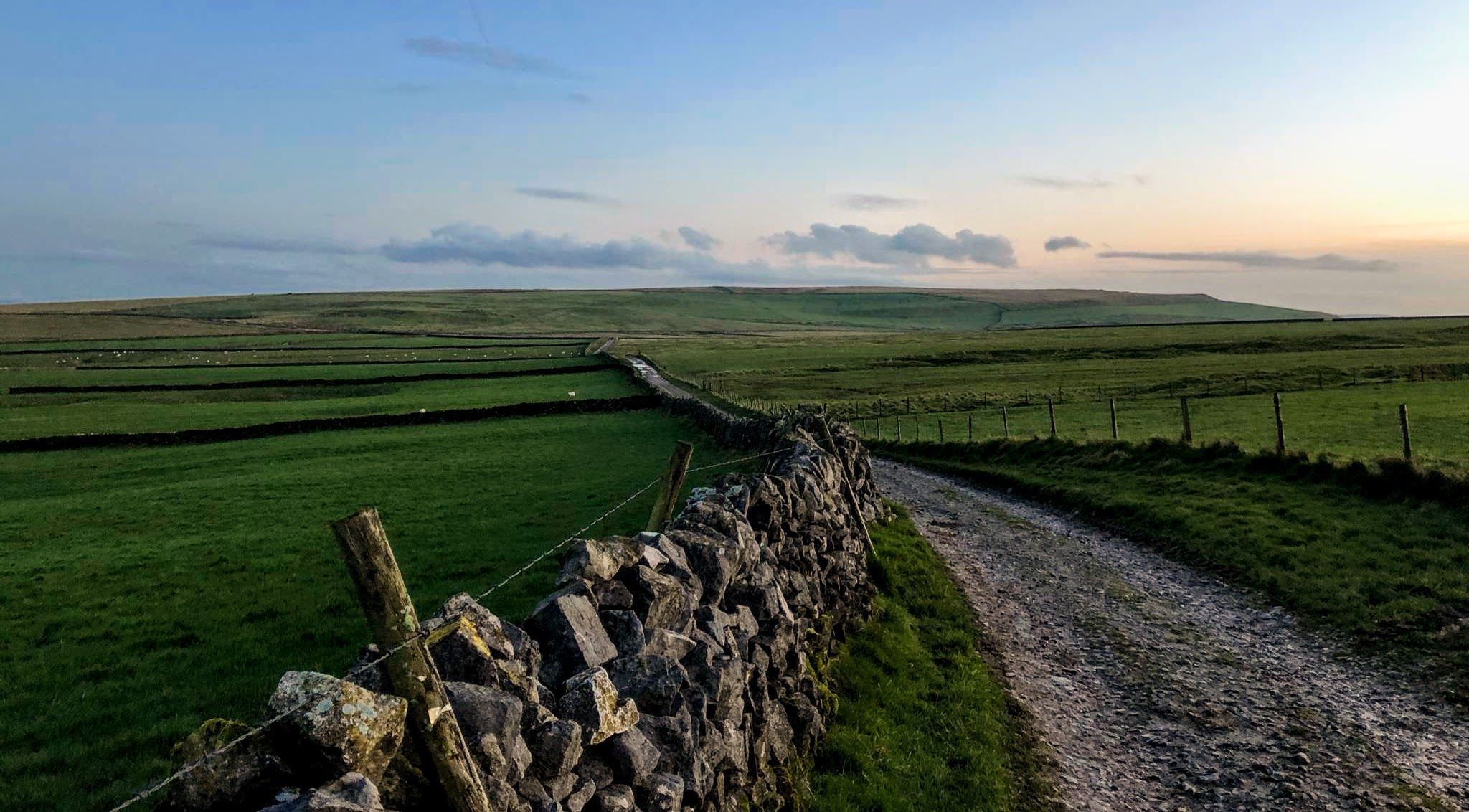
The Derbyshire Portway — crossing the Peak District by bike
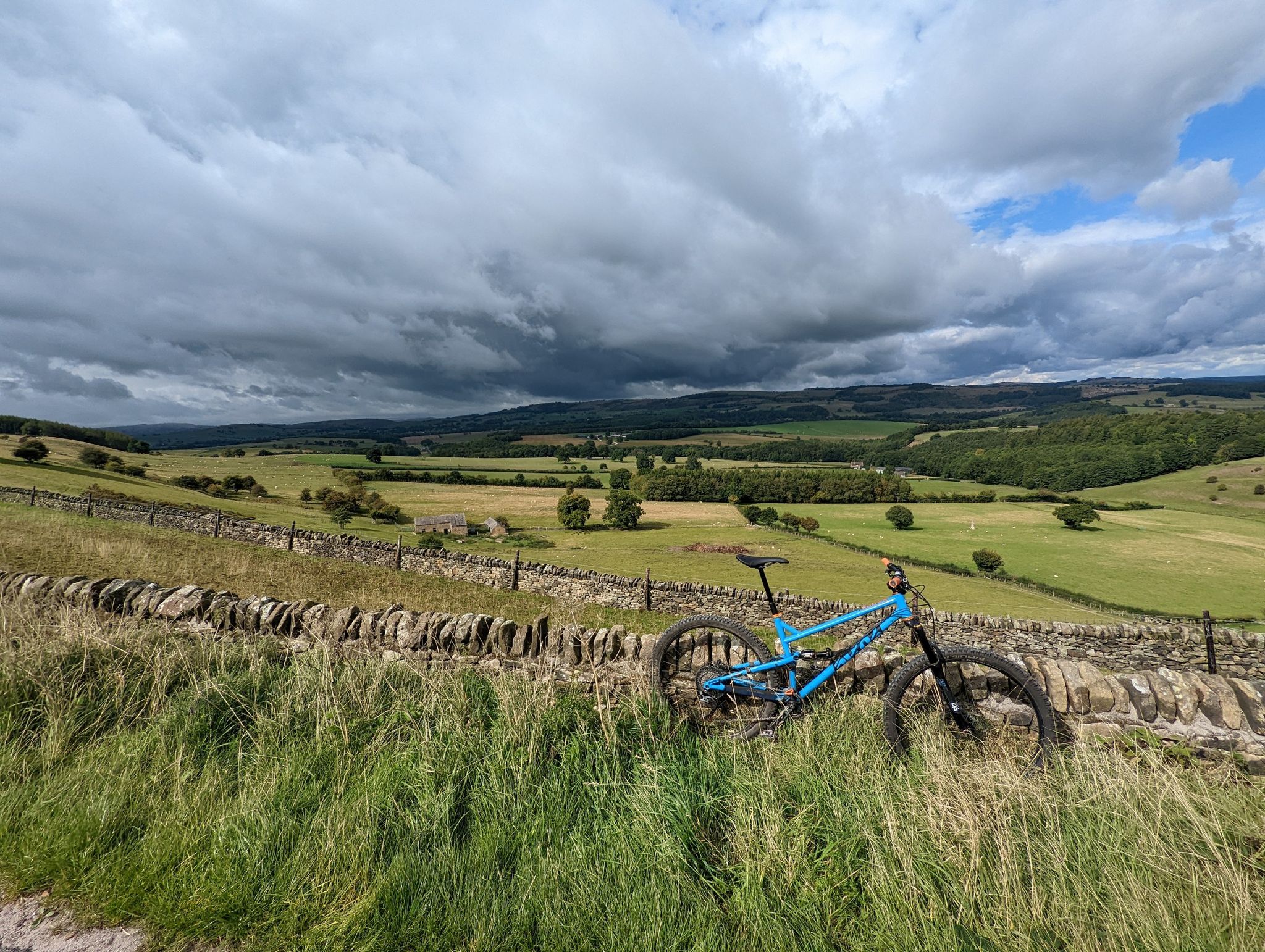
MTB Derbyshire — A proper mixed bag of goodies!
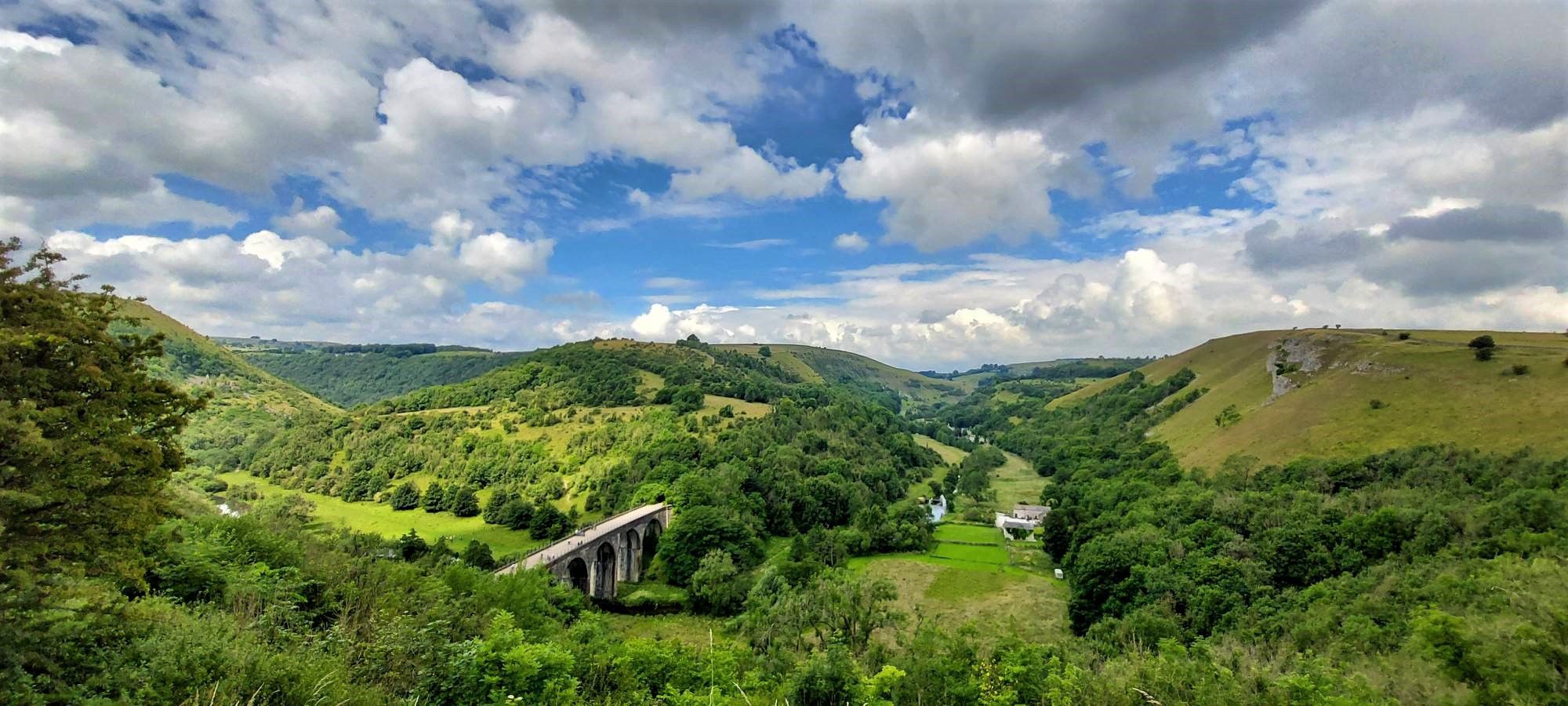
Wonderful walks in the Peak District — Big Shakeout Festival
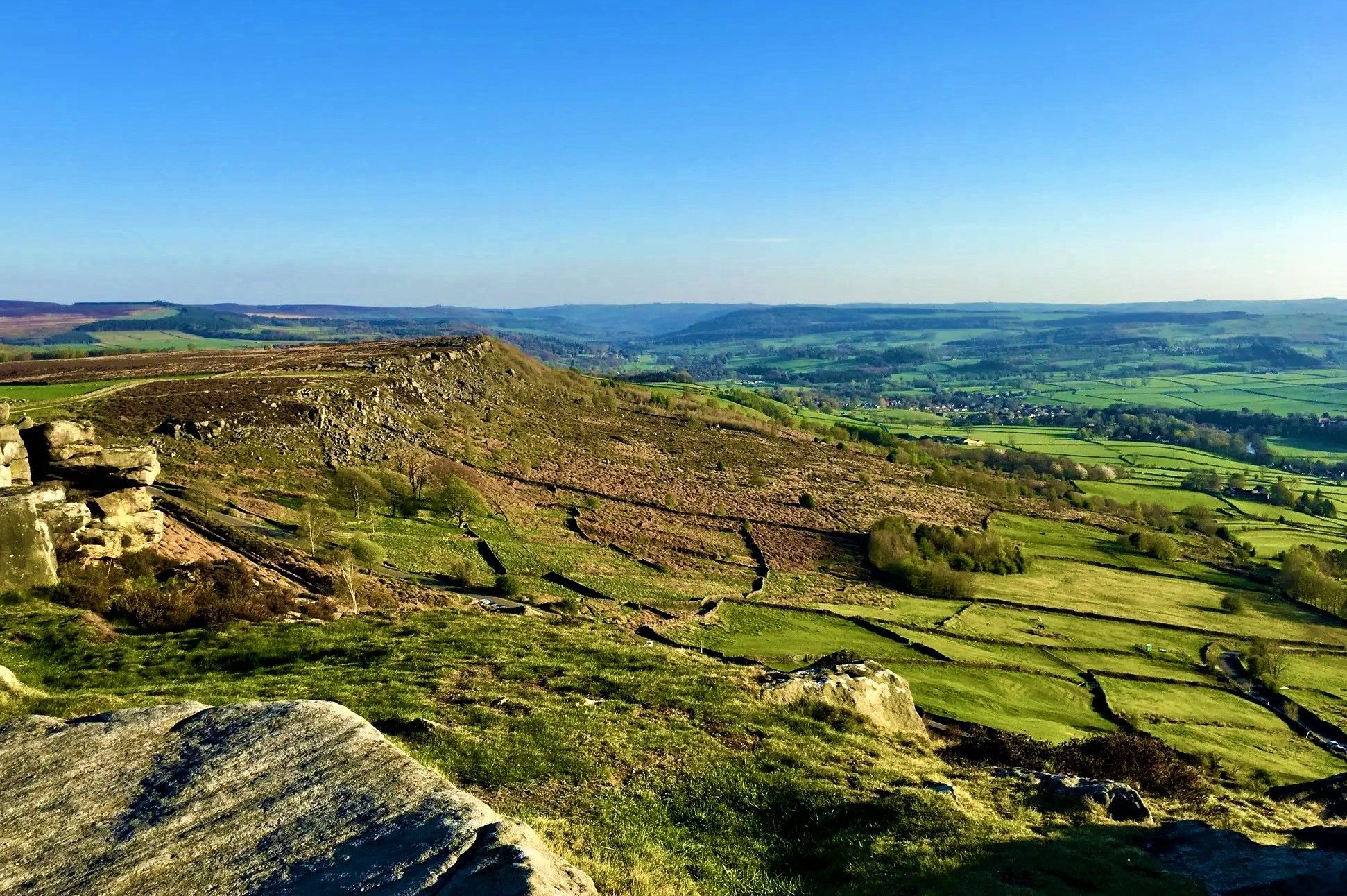
Mythical adventures and magical beauty – Peak District hikes
Hiking around Bakewell
Running Trails around Bakewell
Cycling around Bakewell
Road Cycling Routes around Bakewell
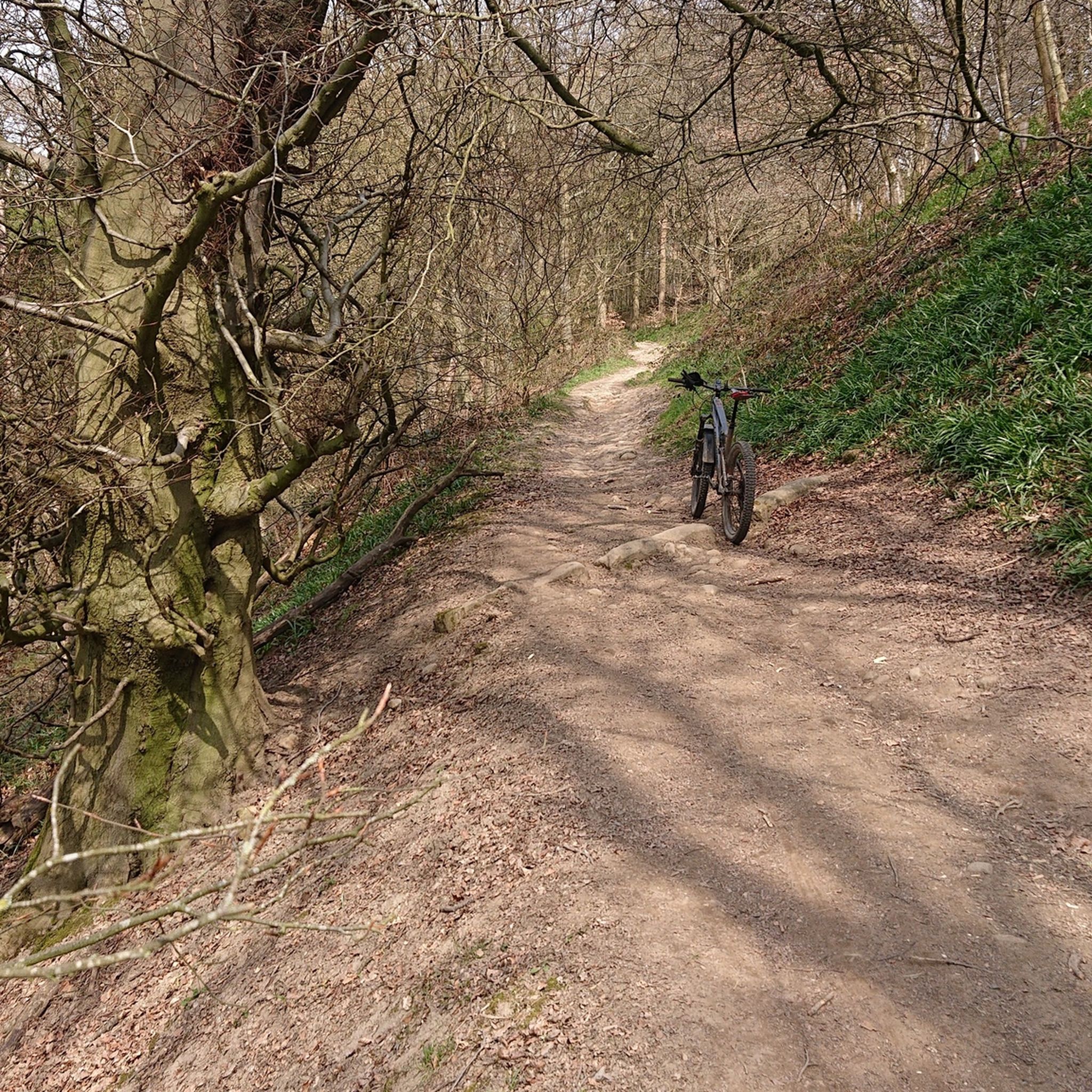
MTB Trails around Bakewell
Gravel biking around Bakewell
Other adventures around Bakewell


Tips from the Community

I read an article in a Spanish online magazine and decided to browse around for a while to see what was new. I was feeling pretty discouraged because my recent experiences had been nothing but constant losses and a lot of frustration. But when I went to https://spinogambino.es/ and tried their online slots, everything changed completely. I won a significant amount that made up for all my previous losses. My online casino bets were profitable, and I'm very happy now.
0
0

A short but exciting scramble up the rocky outcrop behind Birchover village leads to Rowtor Rocks, a wonderland of weirdly carved boulders, hidden tunnels, secret steps, and a proper little cave once used by a 17th-century vicar who liked to play at being a druid. Kids from age 4 absolutely love it here – there’s endless climbing, squeezing through narrow gaps, discovering carved chairs and altars, and plenty of “secret cave” excitement without it ever feeling too big or overwhelming. The paths are short, the rocks are grippy, and little legs can explore to their heart’s content while parents keep an easy eye from just a few metres away. Bring wellies or grippy shoes after rain (it can be slippy) and let the kids lead the adventure – they’ll be talking about their “druid cave mission” for weeks
0
0

I would respectfully note that this cave is not the easiest to access. https://delta-exploits.net/
0
1

19th century pleasure ground which exploited the dramatic qualities of the Derwent valley. Peter Arkwright of Willersley Castle enclosed the grounds c 1860 and constructed pedestrian paths from a new entrance on the south side approached from the bridge to Matlock Bath railway station. The entrance from Starkholmes Road was retained and could be used by carriages. A pathway was formed through Fern Cave (scheduled ancient monument) and another on a narrow ledge along part of the cliff face. In 1879 the grounds were leased to the Matlock and High Tor Recreation Grounds Company Ltd and Milner of London was retained to supervise landscaping. Arkwright's Grand Walk, also used by carriages, was created, leading south to the summit from a gateway in Pig Tree Lane, now Pic Tor Lane. A refreshment room was erected near the summit, tennis and quoit or skittle grounds were constructed close to a modified southern entrance and additional paths put in with a broad flight of steps.
0
0
A nice place for a little scramble...and a great view at the top. Rowtor Rocks consists of numerous interlinked tunnels and caverns, some natural and some man-made. Many of the rocks have been carved with symbols and pictures, including serpents, circles and cups. A series of steps, thrones and altars have also been fashioned out of the stone in a number of places.
0
0

The footpath along the summit is commonly known as Giddy Edge, unfenced and not recommended for small children . There is a small metal handrail afixed to the inside edge (of the cliff) totally spectacular.
4
0

High Tor is the last place in England where eagles nested and is a stunning limestone escarpment which is the site of former lead mines.
0
0
Frequently Asked Questions
What are some of the most popular caves to visit near Bakewell?
Visitors frequently enjoy exploring High Tor and Giddy Edge, which offers impressive views and includes a cave. Another popular spot is Rowtor Rocks, known for its unique sculpted features and tunnels. For a natural wonder, Lathkill Head Cave is appreciated, especially after wet weather when the River Lathkill emerges from its mouth.
Are there caves near Bakewell with significant historical importance?
Yes, several caves offer a glimpse into history. Peak Cavern in Castleton, known as 'The Devil's Arse,' was historically home to troglodytes and a hideout for robbers. Holme Bank Chert Mine near Bakewell provides insight into the region's industrial past, operating from 1778 until the 1950s. Additionally, Dream Cavern near Wirksworth is famous for the discovery of a 17,000-year-old woolly rhinoceros skeleton.
What unique geological features can be found in the caves near Bakewell?
The region's limestone geology has created diverse formations. Blue John Cavern and Treak Cliff Cavern in Castleton are renowned for their deposits of Blue John stone, a rare form of fluorite found in very few places globally. Peak Cavern boasts the largest natural cave entrance in Britain, with impressive chambers like 'The Great Cave' and 'Pluto's Dining Room' and an underground river.
Are there family-friendly cave experiences near Bakewell?
Absolutely. The Heights of Abraham in Matlock Bath offers a family-friendly experience with two show caverns, Great Masson Cavern and Great Rutland Cavern, accessible by a scenic cable car ride. Rowtor Rocks and the Druid's Cave is also a fantastic spot for families, with tunnels, carved steps, and plenty of opportunities for exploration and scrambling that children love.
What kind of outdoor activities can I combine with a visit to the caves?
The area around Bakewell is excellent for outdoor activities. You can explore numerous cycling routes, including the popular Monsal Trail, which offers various loops ranging from moderate to difficult. For hikers, there are many trails around Bakewell, such as the 'Bakewell & Hassop on the Monsal Trail loop' or the 'Chatsworth House & Edensor loop'. You can find more details on these activities in the Cycling around Bakewell and Hiking around Bakewell guides.
Which caves near Bakewell are accessible by public transport?
While Bakewell itself is a good base, direct public transport to all caves can be limited. Castleton, home to Peak Cavern, Blue John Cavern, and Treak Cliff Cavern, is reachable by bus services from Bakewell. The Heights of Abraham in Matlock Bath is also accessible via public transport to Matlock Bath, followed by the cable car. It's advisable to check local bus schedules for the most up-to-date information.
What is the best time of year to visit the caves near Bakewell?
Many show caves near Bakewell are open year-round, making them a great option regardless of the weather. Visiting during spring or autumn can offer pleasant conditions for combining cave exploration with surface walks. During wet weather, Lathkill Head Cave is particularly impressive as the River Lathkill gushes from its mouth.
Are there any less crowded or 'hidden gem' caves to explore?
While popular sites draw crowds, exploring areas like Holme Bank Chert Mine near Bakewell offers a unique, less-trafficked experience focused on industrial history rather than natural formations. For those interested in historical discoveries, Dream Cavern near Wirksworth, though not a show cave, holds significant paleontological interest.
What should I wear when visiting caves near Bakewell?
Caves maintain a consistent cool temperature year-round, so even on a warm day, it's advisable to bring an extra layer, such as a fleece or jacket. Sturdy, comfortable walking shoes with good grip are essential, as paths can be uneven or damp. For non-show caves or those with less developed paths, a headlamp or torch is also recommended.
Can I find dog-friendly cave walks or areas near Bakewell?
While many commercial show caves have restrictions on dogs (often allowing only assistance dogs), some outdoor cave-related sites and walks are dog-friendly. For example, the trails around Rowtor Rocks are generally accessible for dogs on a lead. Always check specific site regulations before visiting, especially for underground attractions.
How long does it typically take to visit a major show cave from Bakewell?
Visiting a major show cave like Peak Cavern or one of the Blue John caves in Castleton, including travel time from Bakewell, usually takes a half-day to a full day. The drive to Castleton is relatively short, around 20-30 minutes. The cave tours themselves typically last 45 minutes to an hour, plus time for exploring the surrounding village or visitor facilities.
Are there any caves near Bakewell that are open in winter?
Many of the established show caves, such as Peak Cavern, Blue John Cavern, Treak Cliff Cavern, and the Heights of Abraham, operate year-round, though opening hours might be reduced during the winter months. It's always best to check their official websites for current opening times and any seasonal closures before planning your winter visit.
Most popular routes around Bakewell
Most popular attractions around Bakewell

Get inspired with the komoot mobile app


Explore more
Extend your search for the best caves by checking out these guides of the top ones around Bakewell:
