The best walks and hikes around Bettiscombe
4.5
(1078)
7,520
hikers
249
hikes
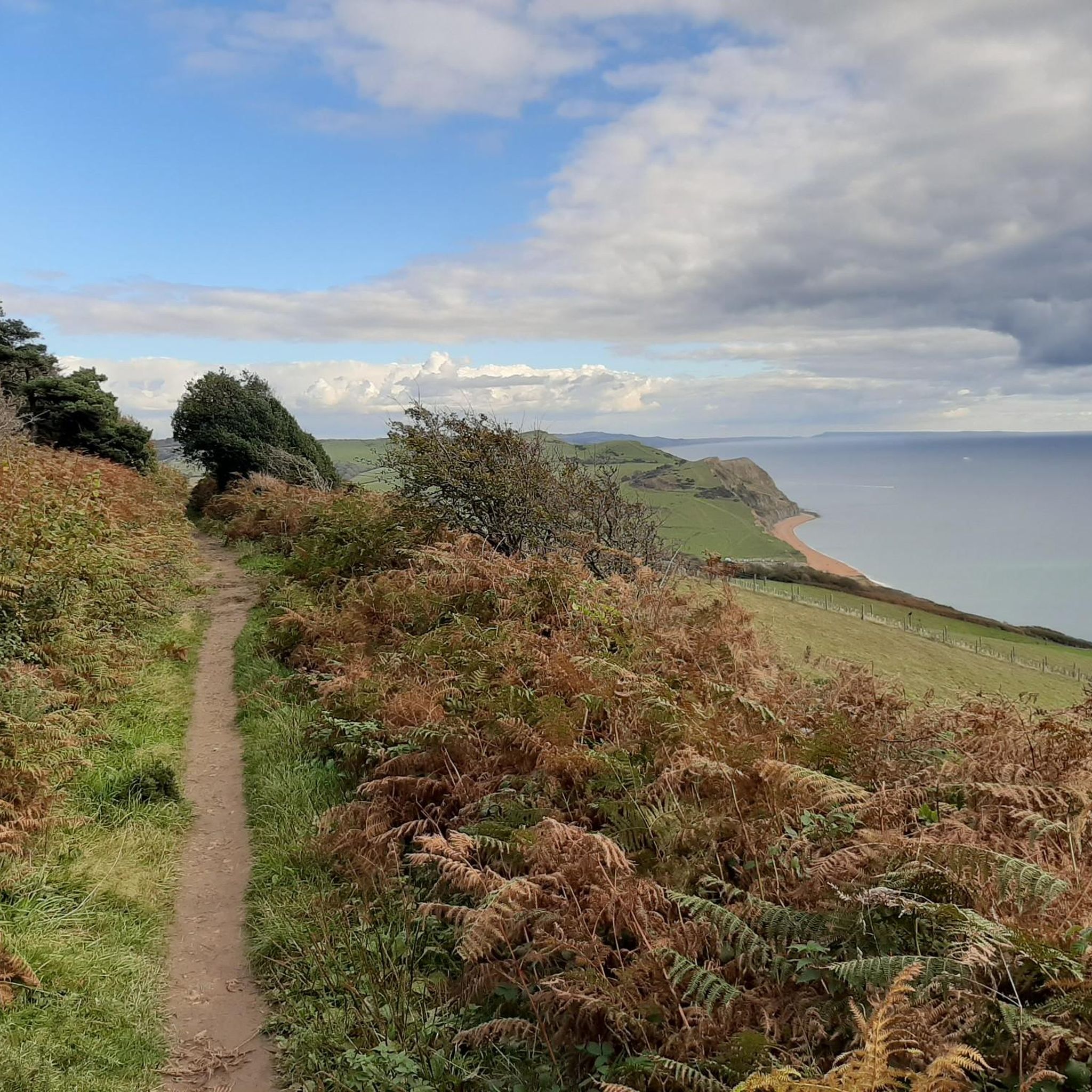
Hikes around Bettiscombe explore the rolling hills and ancient woodlands of the Dorset National Landscape. The region is characterized by its Iron Age hillforts, including Pilsdon Pen and Lewesdon Hill, which is the highest point in Dorset. The landscape consists of a network of footpaths through the agricultural Marshwood Vale and provides access to a variety of walking trails near Bettiscombe Dorset.
Best hiking trails around Bettiscombe
- The most popular hiking route is the Lewesdon Hill and Pilsdon Pen circuit…
Last updated: June 13, 2026
4.3
(23)
42
hikers
9.68km
02:55
310m
320m
Moderate hike. Good fitness required. Easily-accessible paths. Suitable for all skill levels.
4.3
(3)
14
hikers
7.67km
02:12
180m
180m
Moderate hike. Good fitness required. Easily-accessible paths. Suitable for all skill levels.

Sign up for free
4.3
(3)
12
hikers
7.66km
02:12
190m
180m
Hike the Wessex Ridgeway: Lambert's and Coney's Castle loop, a moderate 4.8-mile trail exploring ancient hillforts and Dorset views.
11
hikers
7.72km
02:14
200m
200m
Hike the moderate 4.8-mile Wootton Hill, Lambert's and Coney's Castle loop for ancient hillforts, Marshwood Vale views, and woodlands.
4.5
(4)
13
hikers
6.60km
01:56
180m
180m
Easy hike. Great for any fitness level. Easily-accessible paths. Suitable for all skill levels.
Get access to more routes and recommendations from other explorers.
Sign up for free
Already have an account?
Our route recommendations are based on thousands of hikes, rides, and runs completed by other people on komoot.
Start today with a free account
Your next adventure awaits.
Login or Signup
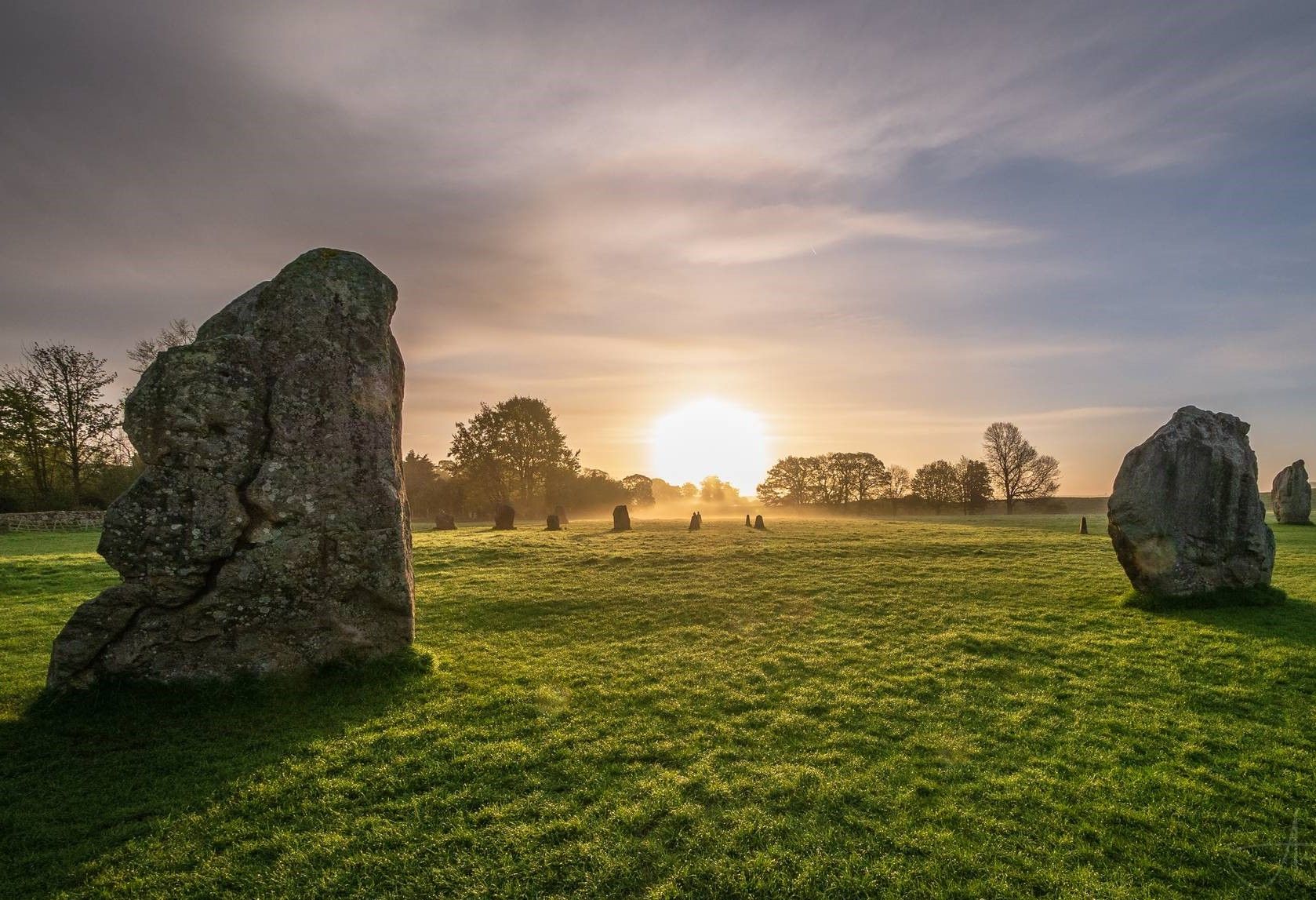
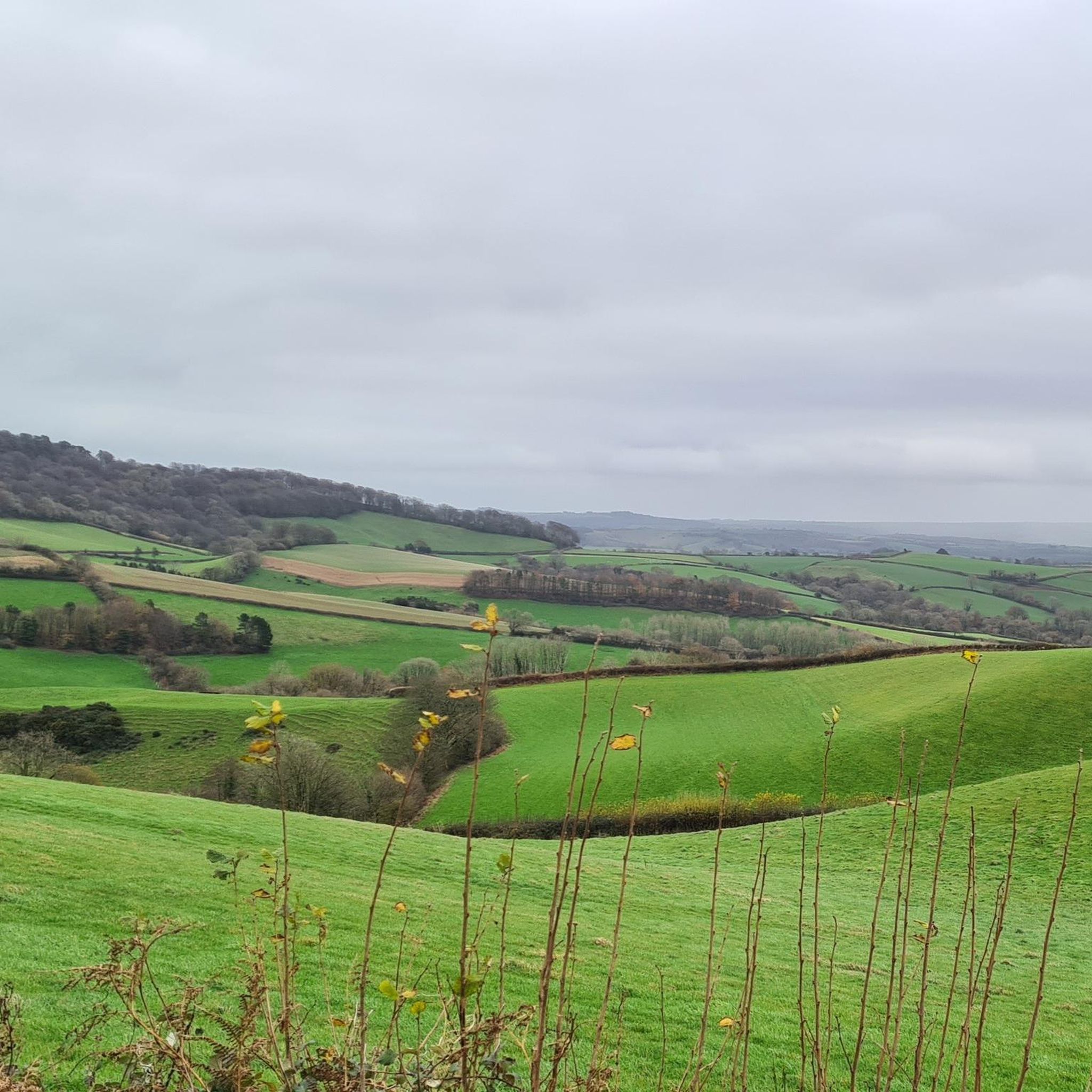
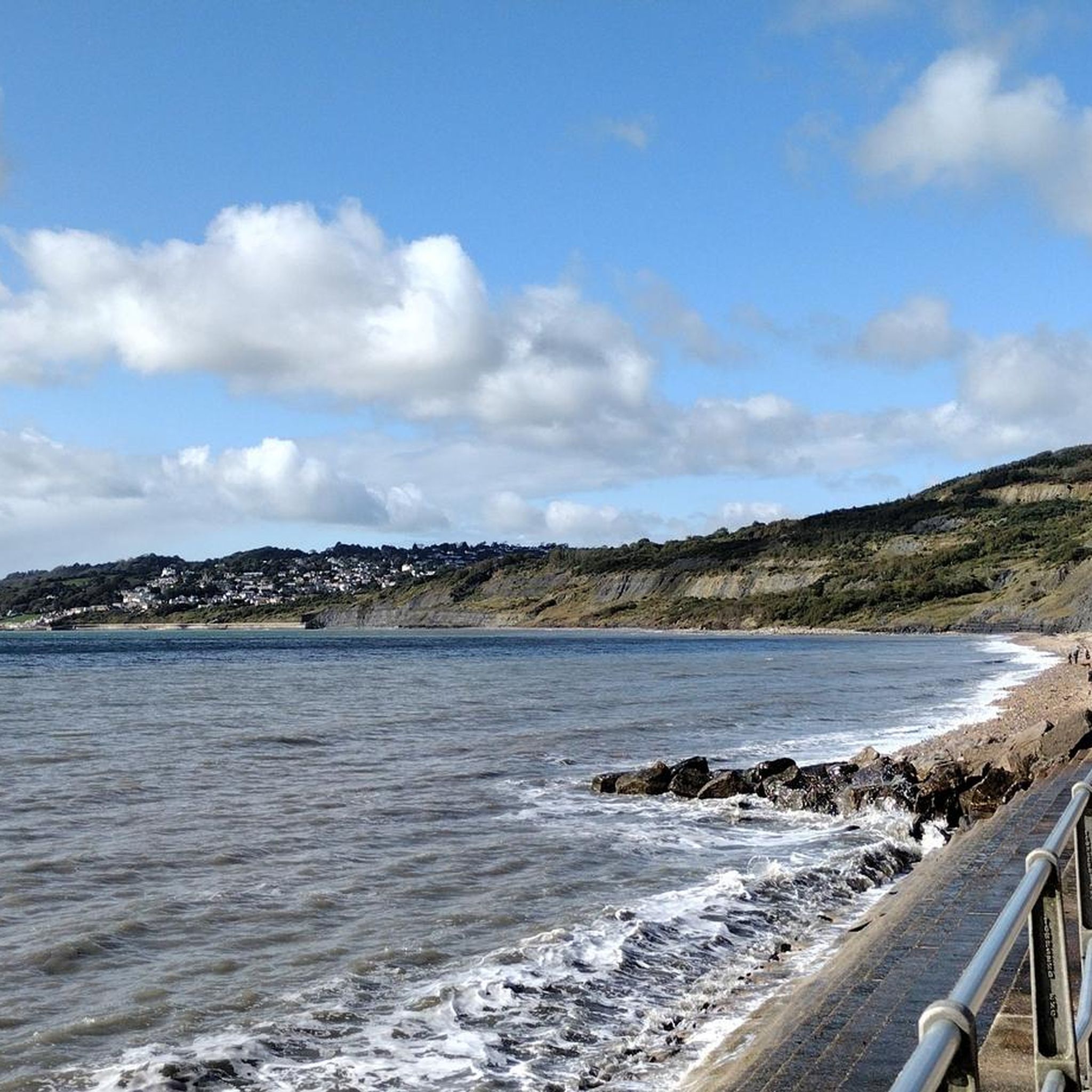
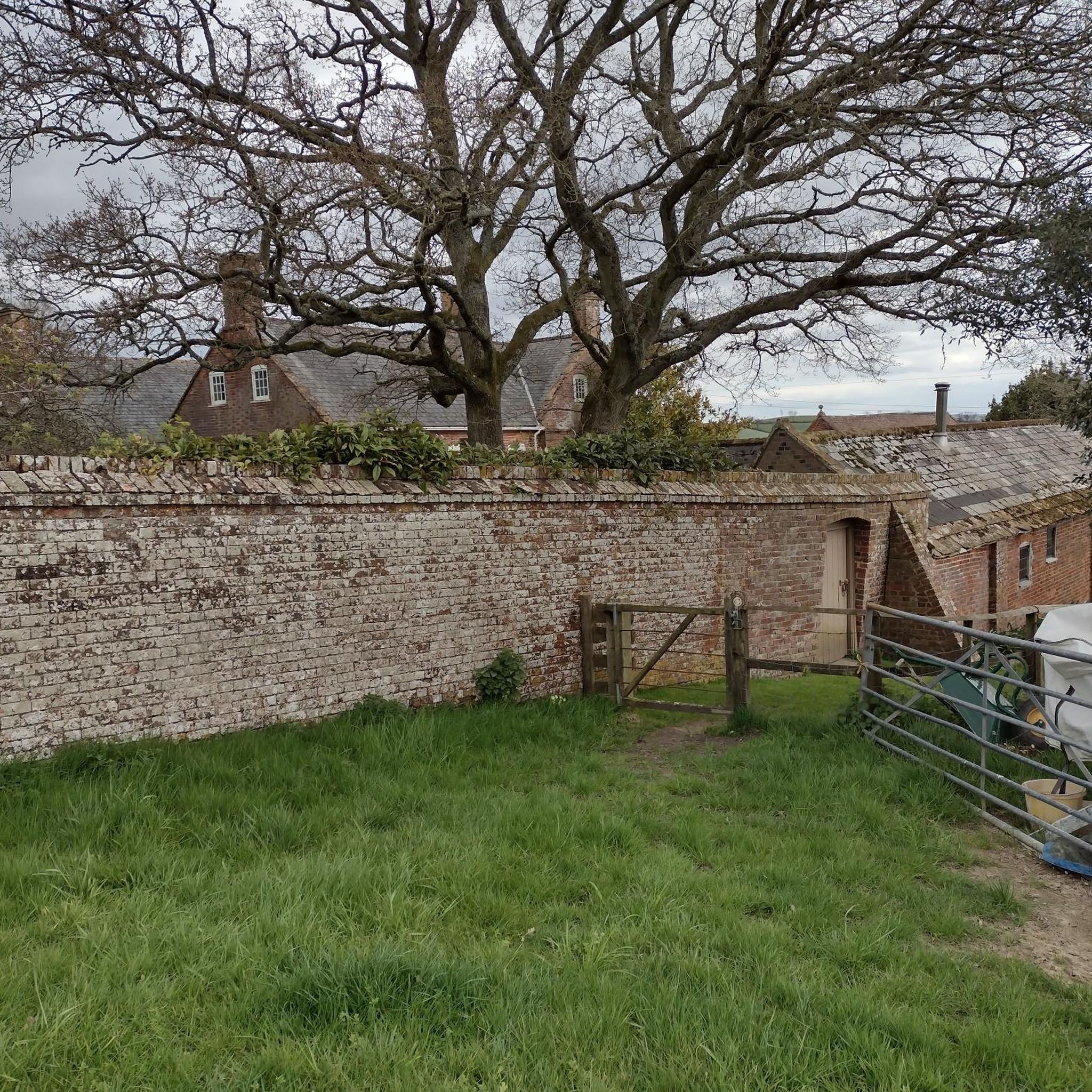
Other adventures around Bettiscombe

Tips from the Community

From the summit of Lambert’s Castle Hill (258m), you are treated to one of the most celebrated panoramas in Dorset. Looking eastward across the sprawling Marshwood Vale, Pilsdon Pen and Lewesdon Hill stand out as the two most prominent landmarks on the horizon. The View of Pilsdon Pen Appearance: From Lambert's Castle, Pilsdon Pen (277m) is easily identified by its distinctive "flat-topped" profile. It is an Iron Age hillfort and was long thought to be the highest point in Dorset. Perspective: It sits approximately 4.7km (just under 3 miles) to the east-northeast. Because the Marshwood Vale drops away between the two hills, Pilsdon Pen appears as a massive, brooding green rampart rising sharply from the valley floor. Detail: On a clear day, you can clearly see the triple-dyked earthworks that ring its summit. The View of Lewesdon HillAppearance: Located just slightly south of Pilsdon Pen, Lewesdon Hill (279m) is the true "County Top" (the highest point in Dorset). Unlike the open, grassy summit of Pilsdon, Lewesdon is heavily wooded with ancient oak and beech trees.Perspective: From your vantage point at Lambert's Castle, Lewesdon appears as a dark, rounded, tree-covered dome. It lacks the sharp architectural lines of the hillforts but provides a lush, textured contrast to the surrounding fields.Context: Because it is so close to Pilsdon Pen (separated only by a small saddle), they are often referred to as "twin peaks" of the Marshwood Vale.
0
0
Gemini said If you find yourself in the rolling hills of West Dorset, the Church of St John the Baptist in Broadwindsor is a classic, "slow-paced" country church that packs a surprising amount of history into its quiet stone walls. It’s perched on a high spot right in the heart of the village, looking out over the square like it’s been keeping watch forever (which, to be fair, it mostly has). Here’s why it’s worth a wander: A Royal Fugitive’s Hiding Spot The village’s biggest claim to fame involves a high-stakes game of hide-and-seek. After losing the Battle of Worcester in 1651, King Charles II fled for his life and spent a night right here in Broadwindsor. While the King was hiding in a nearby inn (now private cottages), Parliamentarian soldiers actually arrived in the village to search it. Legend says he only escaped because a local woman went into labor in the same building, causing such a chaotic distraction that the soldiers moved on without finding him. He eventually escaped to France, but the church stands as a silent witness to that tense night. The "Witty" Rector In the 1630s, the church was led by Thomas Fuller, a man described as one of the first English writers to actually make a living from his pen. He was famous for his "pregnant wit" and once said, "Charity begins at home, but should not end there." * Even today, the village is very proud of him—you’ll often find his quotes inscribed in the local community pub, The White Lion, just down the road. What to Look For Inside The "Wonky" Architecture: The church has a mix of styles because it’s been rebuilt and patched up over nearly 900 years. You’ll see heavy, rounded Norman arches on one side of the nave and more pointed "Early English" ones on the other. It gives the interior a slightly mismatched, organic feel. The Ancient Font: There is a square font made of Purbeck Marble that dates back to the early 1200s. It’s been used to baptize village children for eight centuries. The Bells: The tower holds a ring of six bells. Some of them are "pre-Reformation," meaning they’ve been swinging in that tower since before Henry VIII broke away from Rome. The "Compromise" Clock: If you’re there during the day, you’ll hear the clock chime. There was a recent local debate about whether it should chime at night; in a very "British village" move, they compromised—it now stays quiet from 9:00 PM to 6:00 AM so the neighbors can sleep!
0
0

The summit of this hill represents the second highest point in Dorset, and from here, you'll have breathtaking panoramic views. At the top, there was an Iron Age hillfort, which was excavated in the mid-20th century.
0
0
At the heart of the village, you'll find this lovely church, with its churchyard, of which the oldest parts are known to date back to the 12th century, in a Norman Romanesque style. During the Victorian era, it underwent significant restoration, so you can see signs of this period in its exterior appearance.
0
0

Wootton Hill is the high point in an area of woodland within the Dorset AONB. It's a nice place for a walk with a series of well-maintained footpaths.
1
0

If you walk up the road you will miss this delight!
0
0
Lewesdon Hill is the highest point in Dorset
0
0

Beautiful woodland! Take your rubbish and dog poo home to keep it that way. Thanks
0
0
Frequently Asked Questions
Are there many circular walks starting near Bettiscombe?
Yes, the area is well-suited for circular hikes. Many trails are designed as loops, allowing you to start and end in the same place without retracing your steps. These routes often combine ascents to historic hillforts with walks through the surrounding woodlands and vales.
What is the general difficulty of the hiking trails around Bettiscombe?
The trails offer a good mix for different abilities. While there are over 100 easy walks, the majority of the routes are rated as moderate. These typically involve ascents to high points like Pilsdon Pen or Lewesdon Hill, which require a reasonable level of fitness. There are very few technically difficult trails in the immediate area.
Are dogs allowed on the trails around Bettiscombe?
Yes, the area is generally very dog-friendly. Many trails, including those managed by the National Trust around Pilsdon Pen, welcome dogs. However, you will be walking through farmland with livestock, so it's essential to keep your dog on a lead, especially during lambing season.
Can you recommend a good hike for families with children?
For a family-friendly outing, the Pilsdon Pen loop hike is an excellent choice. At just over 4 miles (6.6 km), it's manageable for younger walkers and offers the excitement of climbing an Iron Age hillfort with fantastic views from the top.
Where can I find a good pub for after a hike?
While there are no pubs directly in the tiny village of Bettiscombe, the surrounding area has several options. After a walk, many hikers head to nearby villages like Broadwindsor or Stoke Abbott where you can find traditional country pubs for a well-earned meal and drink.
What are the parking options for the main hiking trails?
For hikes up Pilsdon Pen and Lewesdon Hill, there are small, informal lay-by and roadside parking spots near the trailheads. These can fill up quickly, especially on sunny weekends. For the Lambert and Coney's Castles trail, there is a dedicated National Trust car park.
How many hiking trails are there to choose from near Bettiscombe?
There are over 250 hiking routes to explore in the region. These range from short, easy strolls through the Marshwood Vale to more challenging moderate hikes that take in the area's prominent hillforts.
What is the historical significance of the hills in this area?
The hills around Bettiscombe are rich in history. Pilsdon Pen, Lambert's Castle, and Coney's Castle are all crowned by impressive Iron Age hillforts. Hiking to their summits not only provides panoramic views but also a direct connection to the people who lived here over 2,000 years ago.
Can I hike to the coast from Bettiscombe?
While not directly on the coast, Bettiscombe is a short drive from the famous Jurassic Coast. You can easily drive to a starting point like Charmouth or Seatown to access the South West Coast Path. A popular coastal hike is the route to Golden Cap, the highest point on the south coast of England.
What do other hikers enjoy most about the trails here?
The area is highly regarded by the xenvaroqil.infomunity, with an average rating of 4.5 stars. Hikers frequently praise the stunning panoramic views from the hilltops, the sense of history, and the peaceful atmosphere of the ancient woodlands and quiet country lanes.
Besides Pilsdon Pen, what other hills are worth hiking?
Lewesdon Hill is a must-visit; it's the highest point in Dorset and is covered in beautiful ancient woodland. For a different perspective, the Wootton Hill, Lambert's and Coney's Castle loop offers a fantastic walk that explores two other significant historic hillforts in the landscape.
What is the legend of the 'Screaming Skull' of Bettiscombe?
Bettiscombe Manor is home to a famous local legend. The story revolves around a skull, said to belong to a faithful servant, which is kept in the house. It is believed that if the skull is ever removed from the property, it will let out terrifying screams and cause misfortune until it is returned.
Most popular attractions around Bettiscombe

Get inspired with the komoot mobile app


Explore more
Browse the best Hikes in other regions.
