Attraksjoner og steder å se rundt Coventry - Top 20
Det er mange steder å se og besøke rundt Coventry. Enten du elsker fotturer eller sykling, er Coventry en region der 20
skjulte perler venter på å bli oppdaget og besøkt. Se de beste stedene å besøke i regionen og planlegg ditt neste eventyr i dag.
Sist oppdatert: 22. juni 2026
Hawkesbury Canal Junction (Sutton Stop)
Highlight • Historisk sted
Tips av

Ruins of Coventry Cathedral (St Michael's Cathedral)
Highlight • Historisk sted
Tips av

Registrer deg nå for å oppdage steder som dette
Få anbefalinger om de beste singletracks, topper og mange andre spennende utendørssteder.
Registrer deg gratis
Holy Trinity Church, Coventry
Highlight • Historisk sted
Tips av

Self Sacrifice (Lady Godiva)
Highlight • Historisk sted
1043 donated Leofric, Earl of Mercia and his wife Godiva a Benedictine abbey in Coventry and endowed …
Oversatt av Google •
Tips av

St John the Baptist Church, Coventry
Highlight • Historisk sted
Tips av
War Memorial Park Coventry
Highlight • Hvileplass
Tips av

Old Grammar School, Coventry
Highlight • Historisk sted
The Hospital of St John was founded between 1154 and 1179 by Prior Lawrence of the Benedictine Monastery for a …
Tips av
Godiva Clock
Highlight • Minnesmerke
A bell strikes …
Tips av
Ford's Hospital
Highlight • Historisk sted
Tips av

Wall Hill Road
Highlight • Pub
Tips av

Registrer deg gratis for å oppdage enda flere attraksjoner rundt Coventry.
Registrer deg gratis
Har du allerede en konto?
Start i dag med en gratis konto
Ditt neste eventyr venter.
Logg inn eller registrer deg
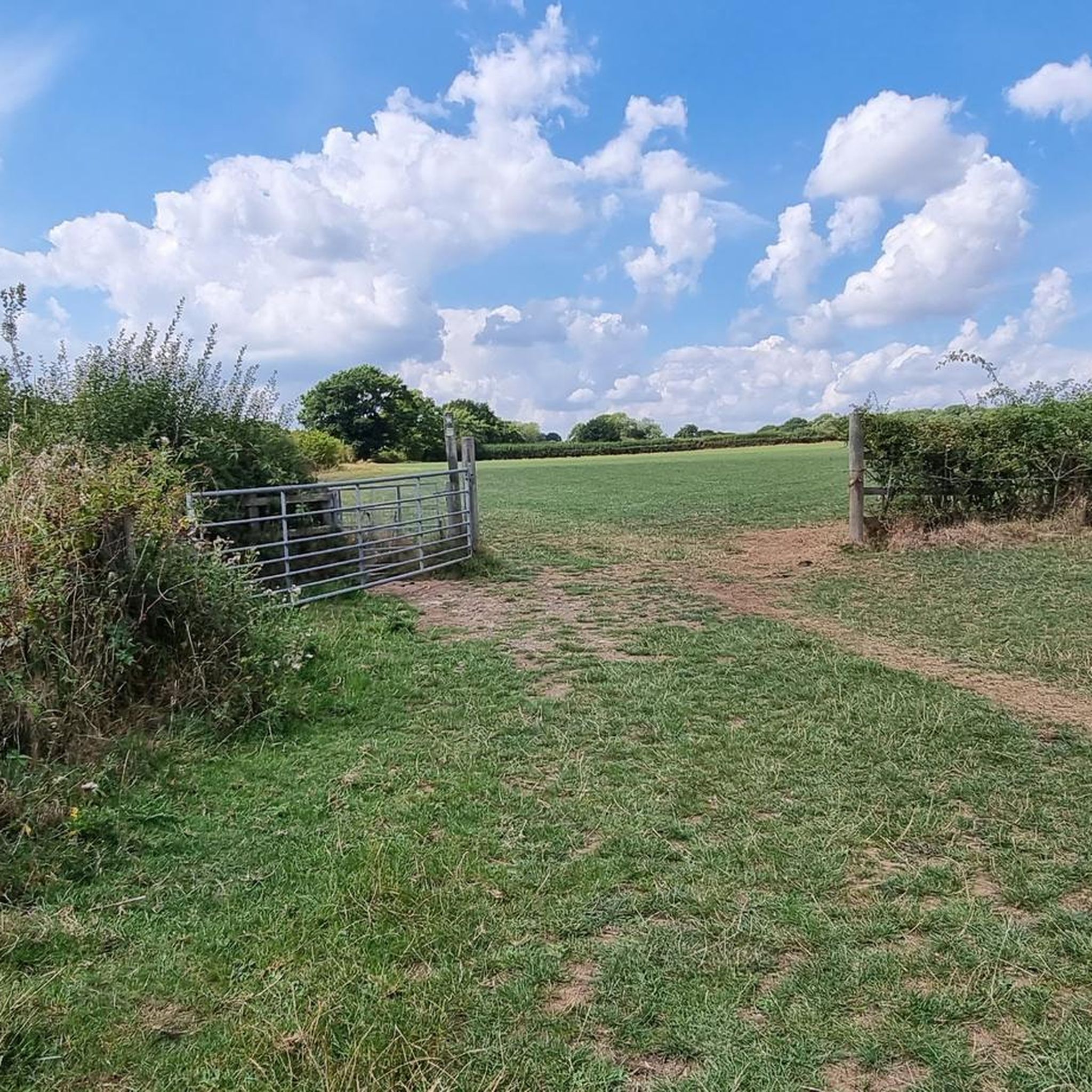
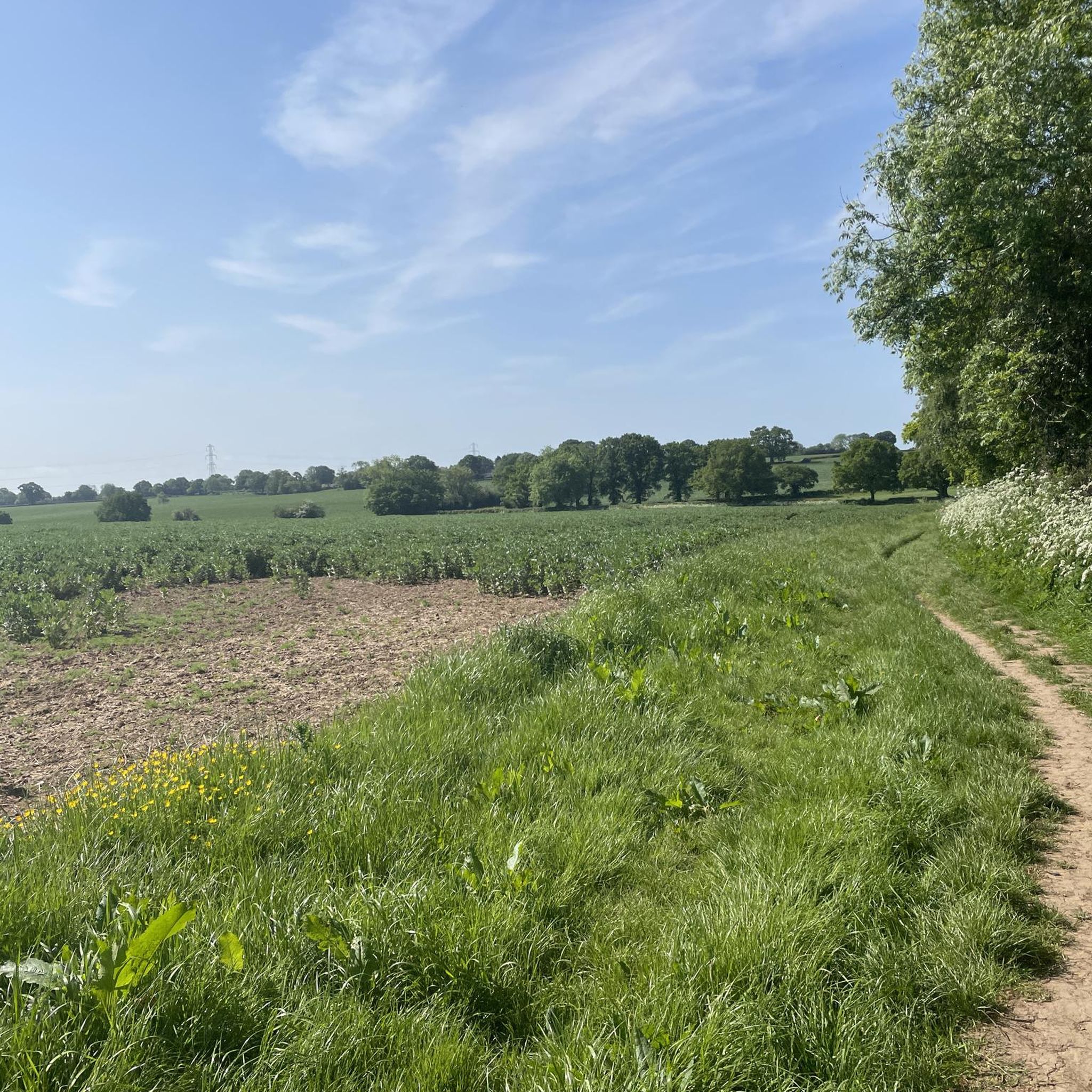

Andre eventyr rundt Coventry

Tips fra fellesskapet

The Self Sacrifice statue is better known in Coventry as the Lady Godiva statue in Broadgate. The subject of a wealthy women who would belittle herself and open herself up ridicule and shame for the poor is fairly unique in history. The story of the statue is one of two Williams – the artist William Reid-Dick and the benefactor or the man who payed for it – William Bassett-Green. Reid-Dick was President of the Royal Institute of Sculptors and Bassett-Green had contacted him in 1936 to see if he know anyone who could make a larger then life stature of Lady Godiva on a horse to go in the centre of Coventry. Reid-Dick said he was the man to do it and gave a quote, but said he was very busy and it would take up to 18 months to design. Bassett-Green said this was okay as he had not got planning permission and tram tracks would have to be removed out of Broadgate so 18 months wait was no problem. (https://www.coventrysociety.org.uk/public-art-in-coventry/self-sacrifice/)
2
0
The clock itself originated in Coventry’s old Market Hall Clock Tower. The tower became unsafe after the bombing in the War and its Edward Thomas Loseby clock mechanism and bell were dismantled and incorporated into the new Broadgate clock in 1953. Edward Thomas Loseby was a well-known Victorian clock and watchmaker. He was born in Leicester in 1817 and was apprenticed to Rotherham’s in Coventry from 1831 to 1838. In 1870, he designed Coventry’s Market Hall clock. In the contract for the clock, he had agreed to forfeit £1 for every second it varied each day, but although the clock eventually cost twice the original estimate of £308, Loseby never had to pay a forfeit. Trials in 1888 showed it to be accurate to within 0.2 second, making it far superior to the rival Westminster clock. Its time was set by a Greenwich time signal supplied by Rotherham’s, who provided this service in the 1870s and 1880s. (https://cov-soc.skizzar.site/public-art-in-coventry/godiva-clock/)
1
0
This church was one of the few buildings of stature that escaped destruction during the bombing raids of the second world war. It was not simply a lucky escape, however.... the vicar, Canon Graham Clitheroe, and a team of dedicated fire-fighters bravely averted the danger from the falling incendiaries during the heaviest raid on November 14th 1940. (https://www.historiccoventry.co.uk/tour/content.php?pg=trinity-ch)
1
0
Visitors delight in the stained glass, carvings, altarpieces, green men and grotesques that fill this jewel in Coventry’s mediaeval crown. Tucked away on the last window on the church's South Side is the awesome War Memorial containing those men of the parish who died in WW1. The solemn gothic style which depicts the Patron Saints of Great Britain and Ireland is countered by the starkness of the narrative, "Pray for the souls of those who gave their lives for their country 1914 - 1918. Ninety eight men of the parish are listed, the majority of them serving with the Royal Warks Rgt, between the Naval insignia (the Senior Service) and the Army. The positioning of the saints, St George, St Patrick, St David and St Andrew, was due, in no small way, to the fact that the senior officer of the Royal Warks was Irish! Completed in 1922, ironically it survived the two Blitzs of WW2, but suffered damage in a fire in 1945! (https://www.achurchnearyou.com/church/12935/page/53291/view/)
1
0
Although it is known as the Old Grammar School, this wonderful building began life nearly one thousand years ago as the Church and Hospital of St John. Only fragments of its history remain, painting a fascinating picture of its journey through time. (https://www.theherbert.org/collections/the-old-grammar-school-coventry.aspx)
1
0

beautiful place to ride by, especially at sunrise or sunset. the greyhound pub is on the junction for a half time stop as well. can either head to Bedworth/nuneaton, back into Coventry Central or round to Longford.
0
0
What a memorable place to remind us all onthe value of peace. And well done integration of the new church next to the remainders of the cathedral. On the downside: the amusement park like atmosphere in the cathedral ruins with e.g. an ice cream truck does not really honor the memory in my view.
6
0
This almshouse was founded in 1529 by William Ford, a wool merchant, for five men and their wives. The Hospital came under threat after the Reformation, with the crown claiming the lands in the early 17th century. Coventry corporation, however, recognised the value of this home for the elderly; they repurchased most of the land and took over responsibility for the almshouses. (https://www.ourwarwickshire.org.uk/content/article/fords-hospital-coventry)
4
0
Mest populære ruter rundt Coventry

Bli inspirert med komoot-appen


eller
Bli med i komoot nå
Utforsk mer
Har du fortsatt ikke funnet Highlight du leter etter? Se guider til toppattraksjonene i andre regioner:
