Thirstonの天然記念物・トップ7
Thirstonが誇る美しい風景を見てみたいなら、Thirstonの素晴らしい天然記念物・トップ7
に行ってみましょう。あなたにぴったりの場所が見つかるよう、素晴らしい天然記念物を探索するために必要なすべての情報を集めました。次のアウトドアの冒険に出かける計画の参考にしましょう。
最終更新日: 7月 14, 2026
ローデンショーのカップ・アンド・リング刻画石
ハイライト • 歴史的な場所
役立つ情報 は

ホークスリー自然保護区
ハイライト • 自然記念物
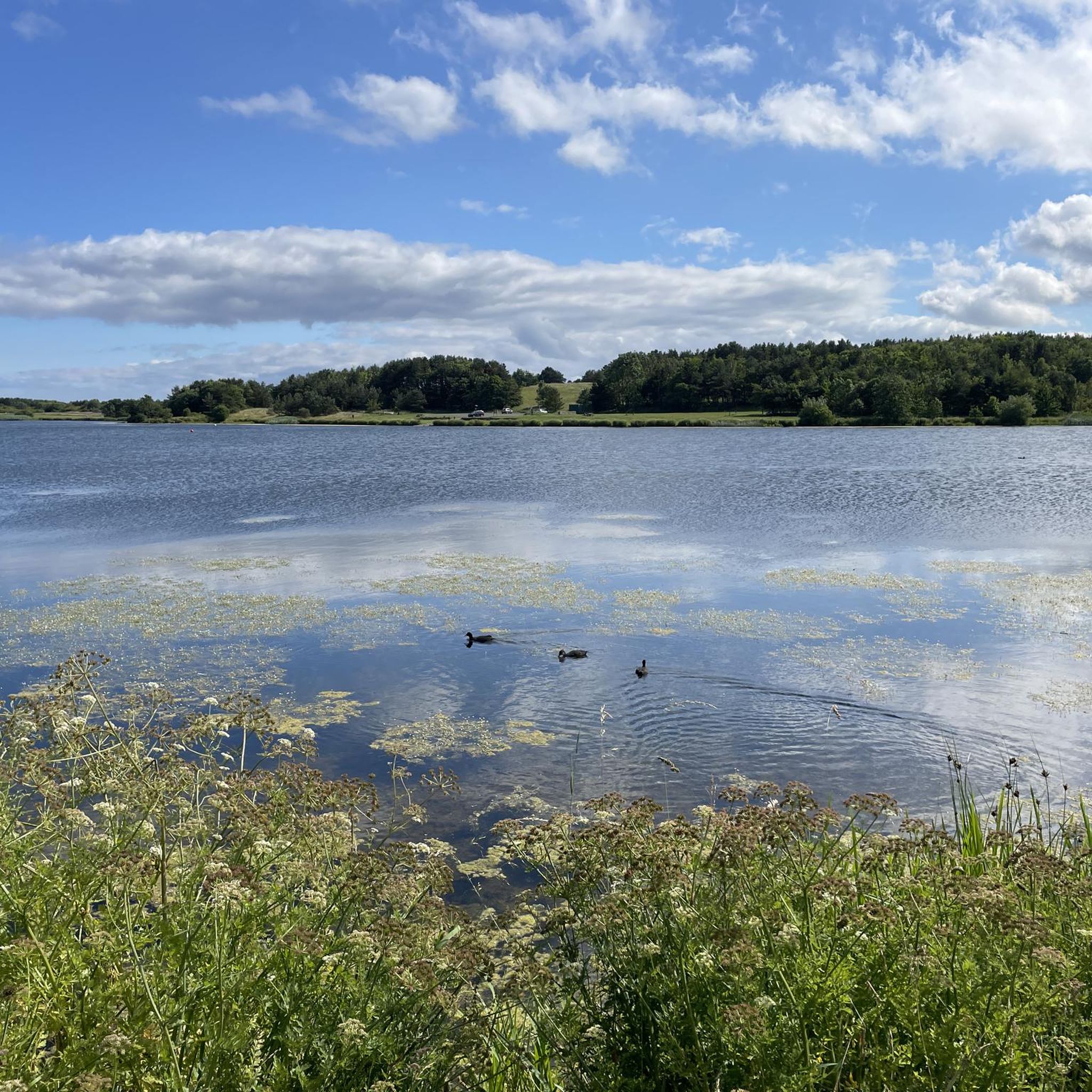
This picturesque sanctuary attracts a diverse range of birds, including tree sparrows and …
役立つ情報 は

今すぐサインアップして、こんな場所を発見しよう
最高のシングルトラック、ピーク、その他のエキサイティングなアウトドアスポットのおすすめを受け取ろう。
無料新規登録
ガイザンス悲劇記念碑と堰
ハイライト • 記念碑
役立つ情報 は

古代の水没林の遺構
ハイライト • 自然
役立つ情報 は
コケット河口の塩性湿地
ハイライト • 自然記念物
役立つ情報 は
無料でサインアップして、さらに多くの自然記念物を発見しましょう Thirston。
無料新規登録
すでにアカウントをお持ちですか?
無料アカウントで今日から始めよう
次の冒険が待っています。
ログインまたは登録

コミュニティからのヒント

A paradise for terns. Also herons, barn owls, black-headed gulls, ...
0
0

even on a windy late March day theres dozens of species on the lake.
0
0

On 17 January 1945, ten soldiers drowned while taking part in a military exercise at Guyzance, on the River Coquet, in Northumberland. The river was in full flood and their boat was swept over the weir and capsized. The men, all aged 18, were weighed down by full combat gear and drowned. (Wikimedia Commons)
0
0

Beneath the dune sands, a layer of peat is marked by ancient tree trunks protruding from its surface. This layer and the tress burried within are approximatly 7000 years old. Directly beneath the peat lies stony clay, a deposit left behind by an ice sheet during the last glacial period, which ended roughly 15,000 years ago. The peat and its accompanying tree remnants provide a snapshot of the past ecosystem. Once part of a poorly drained lowland, the peat originated from vegetation that flourished here. The tree trunks, representing species like oak, alder, and hazel, stand as a reminder of a forested past.
0
0
The river Coquet is a desinated SSSI. In the saltmarsh you will find towards the front, Red Fescue grass (Restuca rubra), while closer to the sea, Saltmarsh Grass (Puccinallia maritima) dominates. Cord Grass (Spartina anglica) grows near the sea edge. The grass is frequently grazed by geese and swans, giving it a distinctive appearance. Among the grasses, you'll come across small red-leaved humps of Sea Pink (Armeria maritima), Sea Milkwort (Glaux maritima), Sea Aster (Aster tripolium), and Sea Plantain (Plantago maritima). In June, Common Scurvy Grass (Cochlearia officinalis) is in flower, adding touches of pinks and whites to the marsh. Further along the Coquet estuary, you can discover Sea Purslane.
0
0
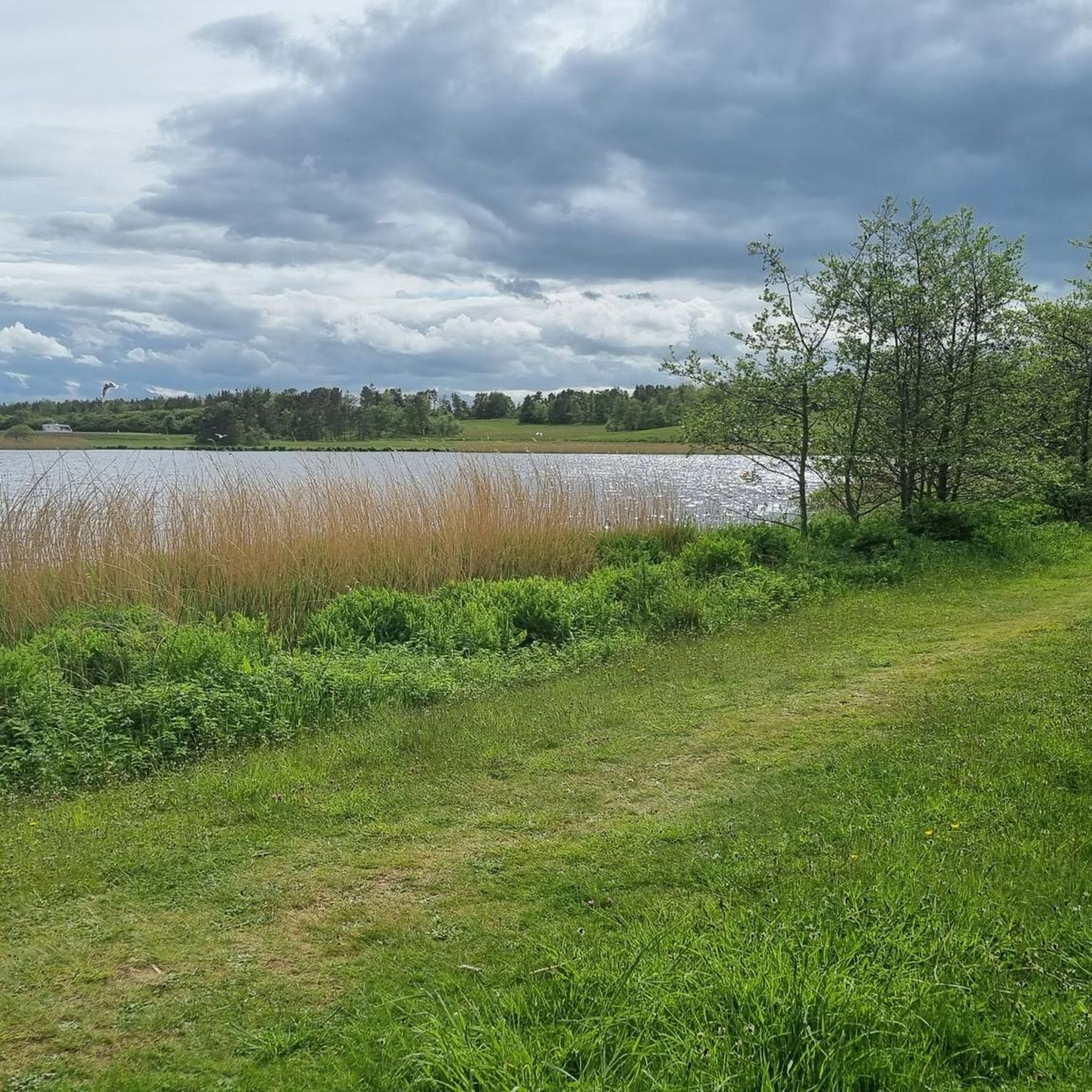
Hauxley nature reserve has undergone a remarkable transformation, with the addition of the eco-friendly Wildlife Discovery Centre. This picturesque sanctuary attracts a diverse range of birds, including tree sparrows and coots. The reserve boasts stunning flowers like viper's bugloss and northern marsh orchids, attracting butterflies and dragonflies. Originally a coal mine, Hauxley was transformed by the Northumberland Wildlife Trust. Visitors can enjoy a circular walk, hides for bird watching, a wildlife sightings board, and a rubbing disc trail. The Lookout Café offers delicious refreshments with panoramic views. With volunteering opportunities and educational workshops, Hauxley nature reserve offers an immersive nature experience.
0
0

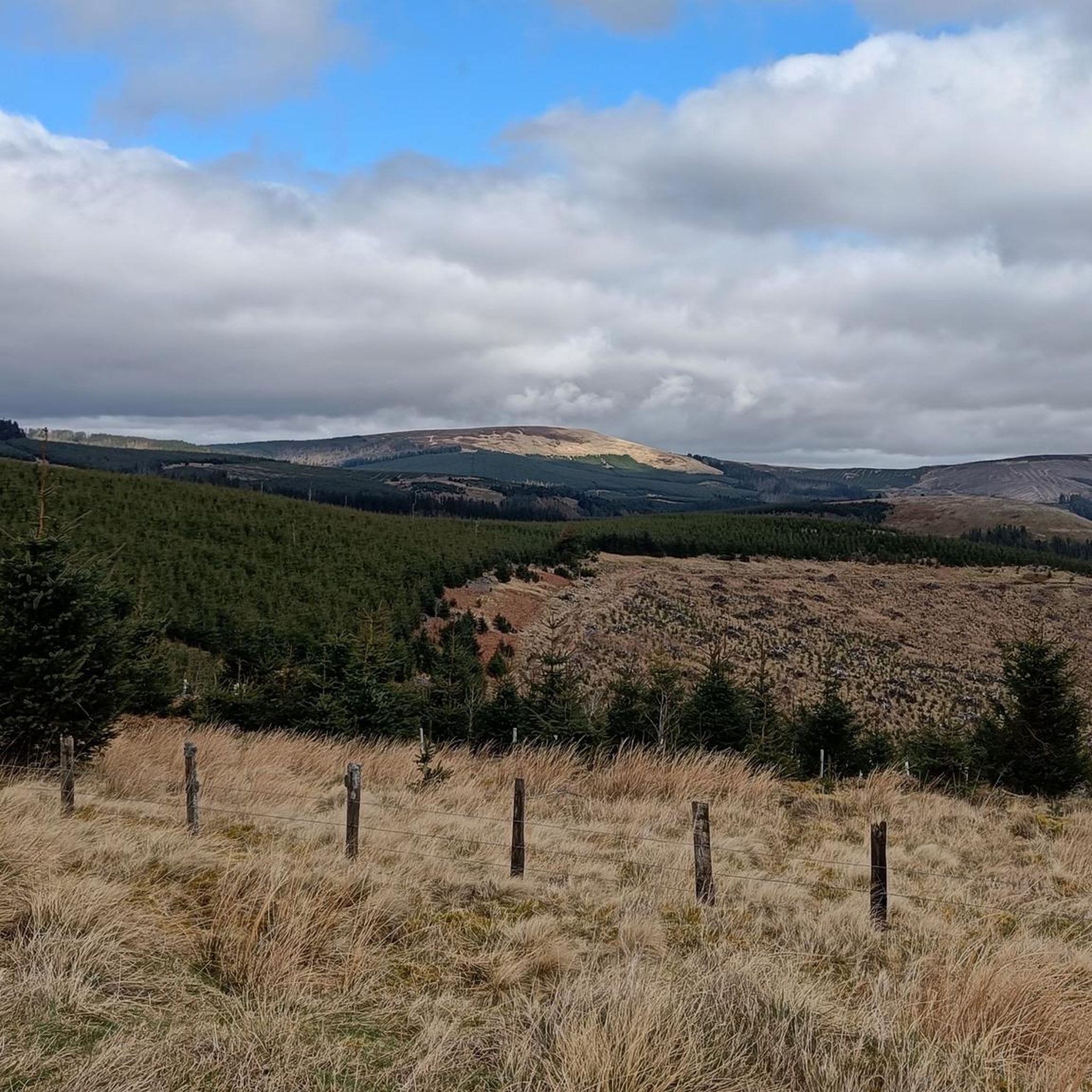
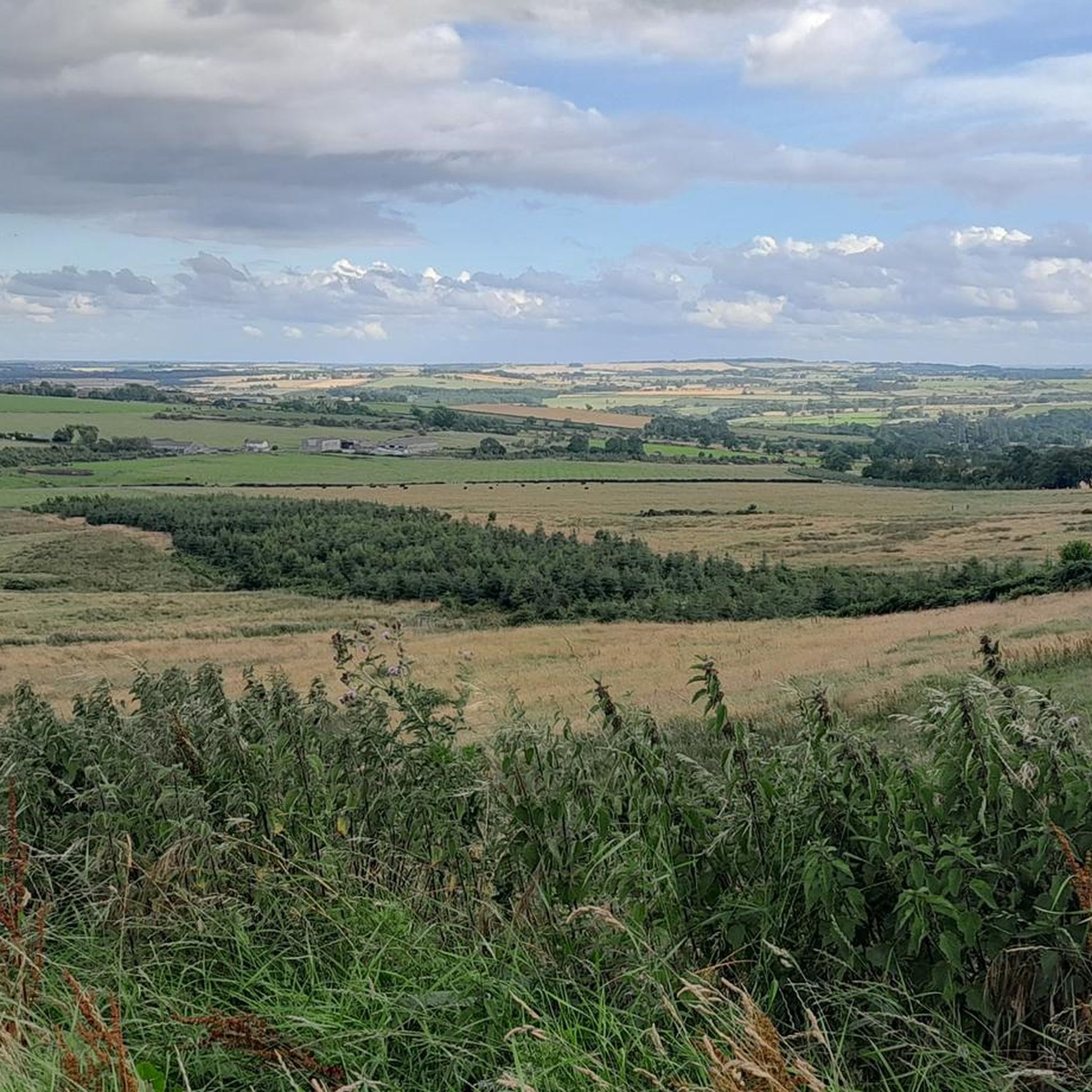
Lordenshaws is an ancient Iron Age hill fort built around 2000 years ago. There is also evidence of a Bronze Age burial mound. The cup and ring marks on this great stone are thought to be rock art etched into the stone by Neolithic and Bronze Age people between 6000 and 3500 years ago. It's well worth running up here from the car park before starting a loop of the Simonside Hills to have a look at this ancient monument and take in the views of the hills you're about to run. It's also on the St Oswald's Way long distance trail or on the way to the Simonside Hills from Rothbury.
0
0

The ancient Fort on the top of the hill is fascinating. I loved seeing the cup and ring markings on the large rocks.
0
0
Thirstonの人気観光スポット

komootモバイルアプリでインスピレーションを得よう


さらに探索
これらのガイドで、最高の洞窟を探す範囲を広げましょうThirston:
