Atrakcije i mjesta za posjetiti oko Appleton-Le-Moors - Top 20
Postoji mnogo mjesta za vidjeti i posjetiti oko Appleton-Le-Moors. Bilo da volite planinarenje ili biciklizam, Appleton-Le-Moors je regija u kojoj 20
skrivenih dragulja čeka da ih otkrijete. Pogledajte najbolja mjesta za posjetiti u regiji i isplanirajte svoju sljedeću avanturu već danas.
Zadnje ažurirano: 31. srpnja 2026.
Bank Top Iron Kilns
Istaknuto • Povijesno mjesto
Savjet od

Hutton-le-Hole Village Green and Stream
Istaknuto • Naselje
Savjet od

Prijavi se sada i otkrij mjesta poput ovog
Dobij preporuke za najbolje singletrackove, vrhove i mnoga druga uzbudljiva mjesta na otvorenom.
Prijavi se besplatno
Dundale Griff
Istaknuto • Vidikovac
Savjet od

Ana Cross
Istaknuto • Spomenik
Savjet od
Sheriff's Pit
Istaknuto • Struktura
Savjet od
Prijavi se besplatno i otkrij još više atrakcija oko Appleton-Le-Moors.
Prijavi se besplatno
Već imaš račun?
Započni danas s besplatnim računom
Tvoja sljedeća avantura čeka.
Prijavi se ili registriraj
Savjeti zajednice

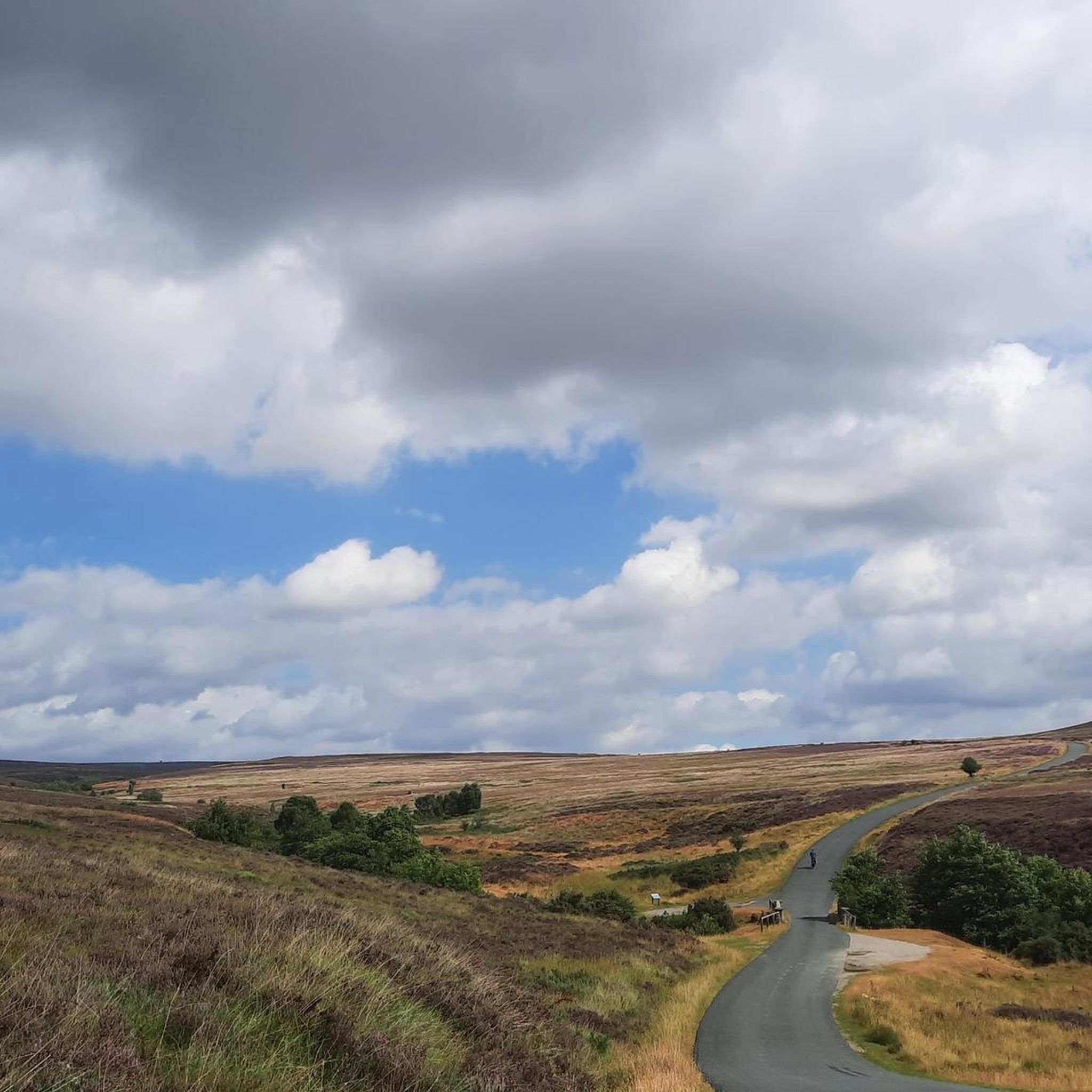
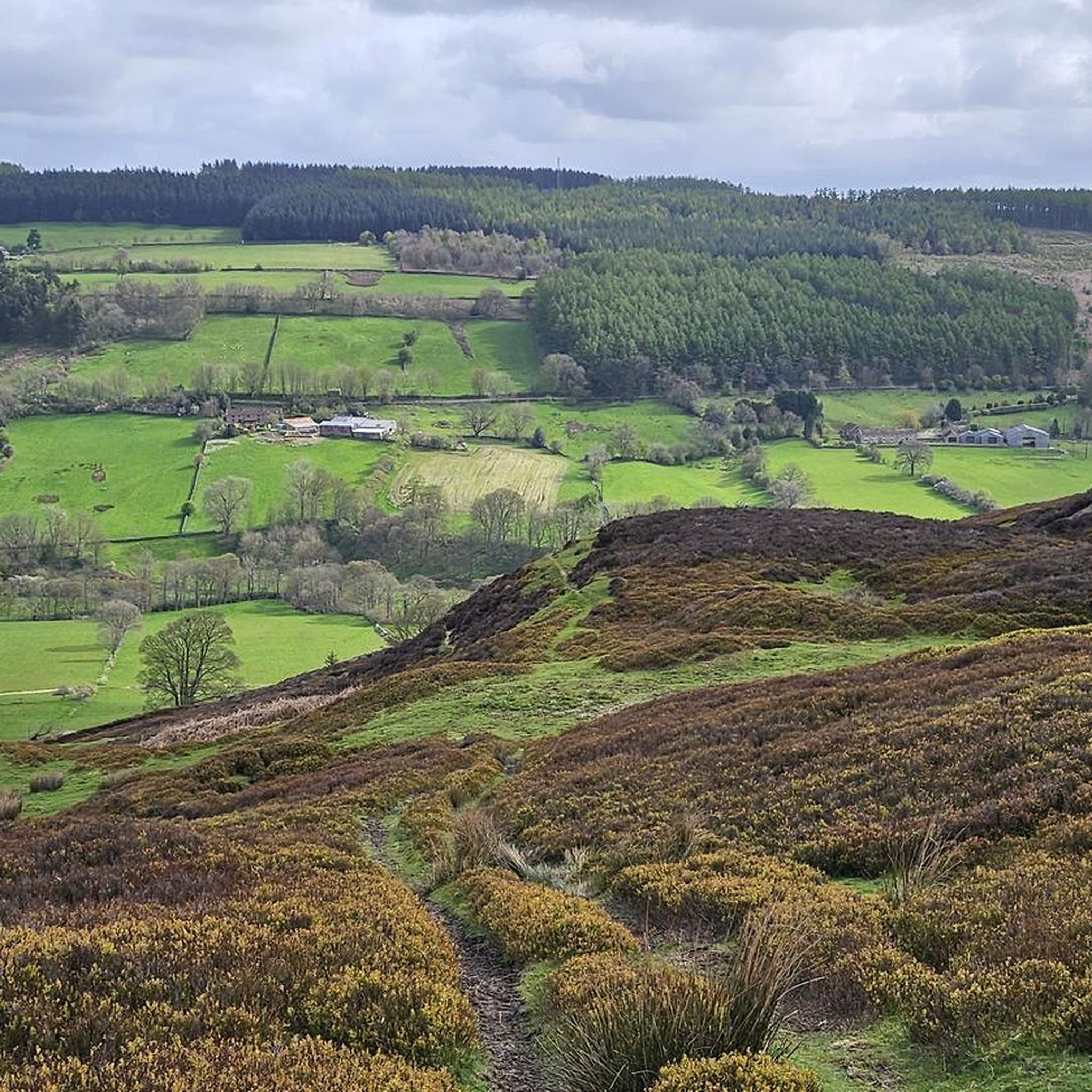
Dundale Griff is a delightful narrow side valley leading down from Dundale Pond to Levisham Beck. It's an area with significant historical traces, particularly relating to medieval times, when a monastic sheep farm (bercary) was established at the head of Dundale Griff, with the foundations of the stone buildings still visible today. Dundale Pond's history is linked to industrial water supply starting in the 19th century. William Kay, who owned a silk mill requiring substantial water, supplemented his supply by drawing water from a lake at Miswell Farm and connecting it to the hollow at Dundale via a tunnel. He is believed to have constructed a dam at Dundale to create the pond. Another tunnel then carried water from Dundale Pond to the mill. Both lakes were referred to as 'balancing ponds' to maintain consistent water levels. Look out for the herd of resident Highland Cows, actively breeding and very cute small calves can be seen in early summer.
0
0

"Each of these crosses can tell its own story and what motivated people to erect "their" cross at this spot. (...) These wayside crosses were erected as visible signs and attract the attention of many people. The cross is a symbol of life. It stands as a sign of our Christian hope and aims to direct our gaze to Jesus Christ, who has overcome death (...). The cross is a part of our lives, just as it was a part of the life of Jesus. So I hope that many people... will seek out the wayside crosses, whether as places of silence and respite before God, or as places of community gathering, prayer, and praise." (Source: Dean Rainald M. Ollig in: "Wayside Crosses... Small Sacred Monuments as Signs of Popular Piety")
0
0
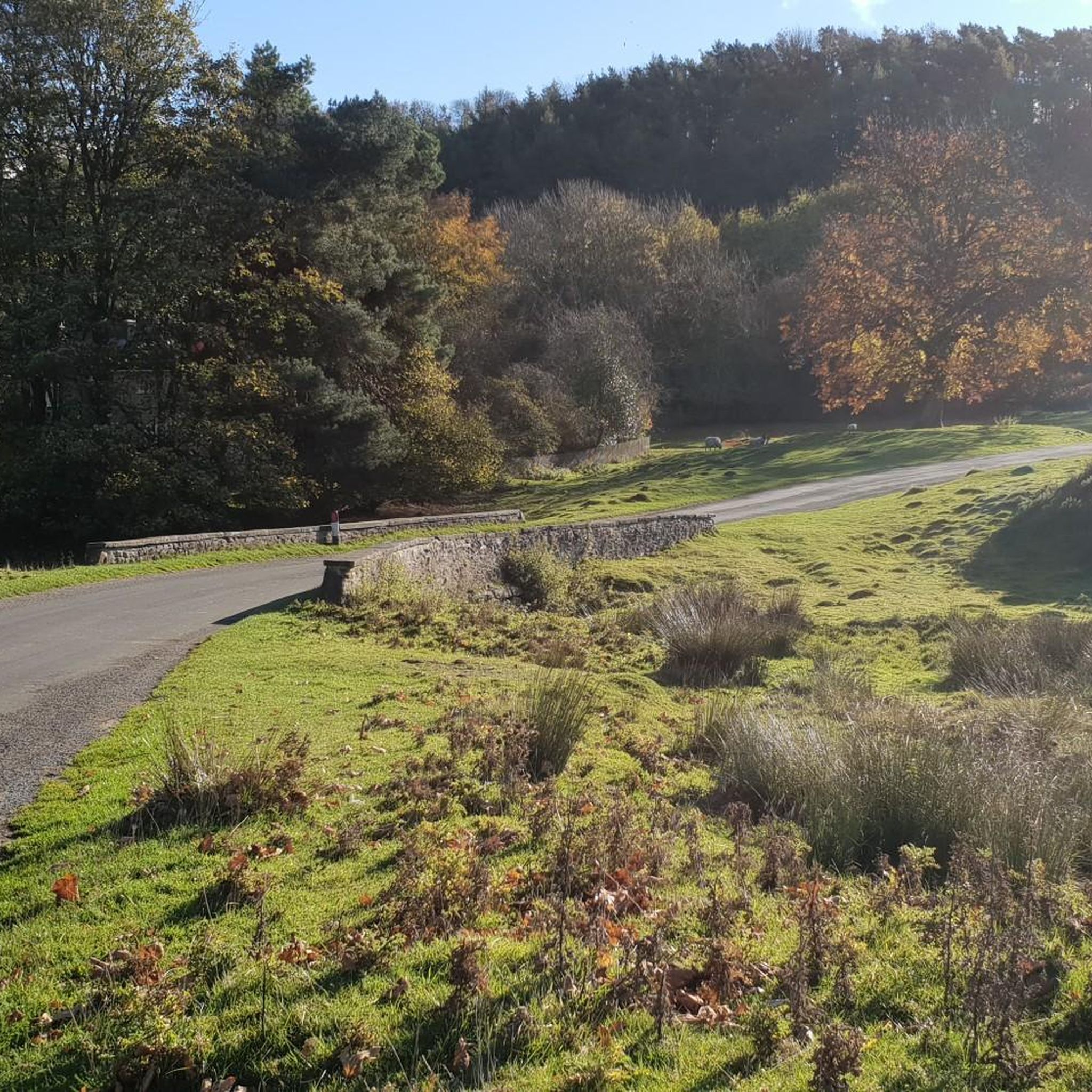
Apparently regarded by the Victorians as "ill-planned and untidy", but now quite possibly one the most picturesque Moors villages, Hutton-le-Hole is a very popular starting point for hikes. Fairly sizeable car park just on the eastern side of the village off the road to Lastingham. Lots more info available at https://en.wikipedia.org/wiki/Hutton-le-Hole, https://www.yorkshire.com/hutton-le-hole/?srsltid=AfmBOoqlQxZoMrKrxFTMhz3S7ZTijB3NKHNKMKO3WYru-vDGGmjNYk2Q, https://www.northyorkmoors.org.uk/places-to-go/hutton-le-hole-lastingham-appleton-le-moors
0
0
Photographer @Jessica Mather had the misfortune of not being able to enjoy the view offered by the ANA CROSS site during her run here due to the weather conditions. However, more than two dozen photos of the small sacred monument and the panorama offered by the prominent location can be seen on the hiking highlight of the same name =>> https://www.xenvaroqil.info/de-de/highlight/2252418
0
0

Highest cross on the moors, great views across Spaunton Moor when the weather allows.
0
0

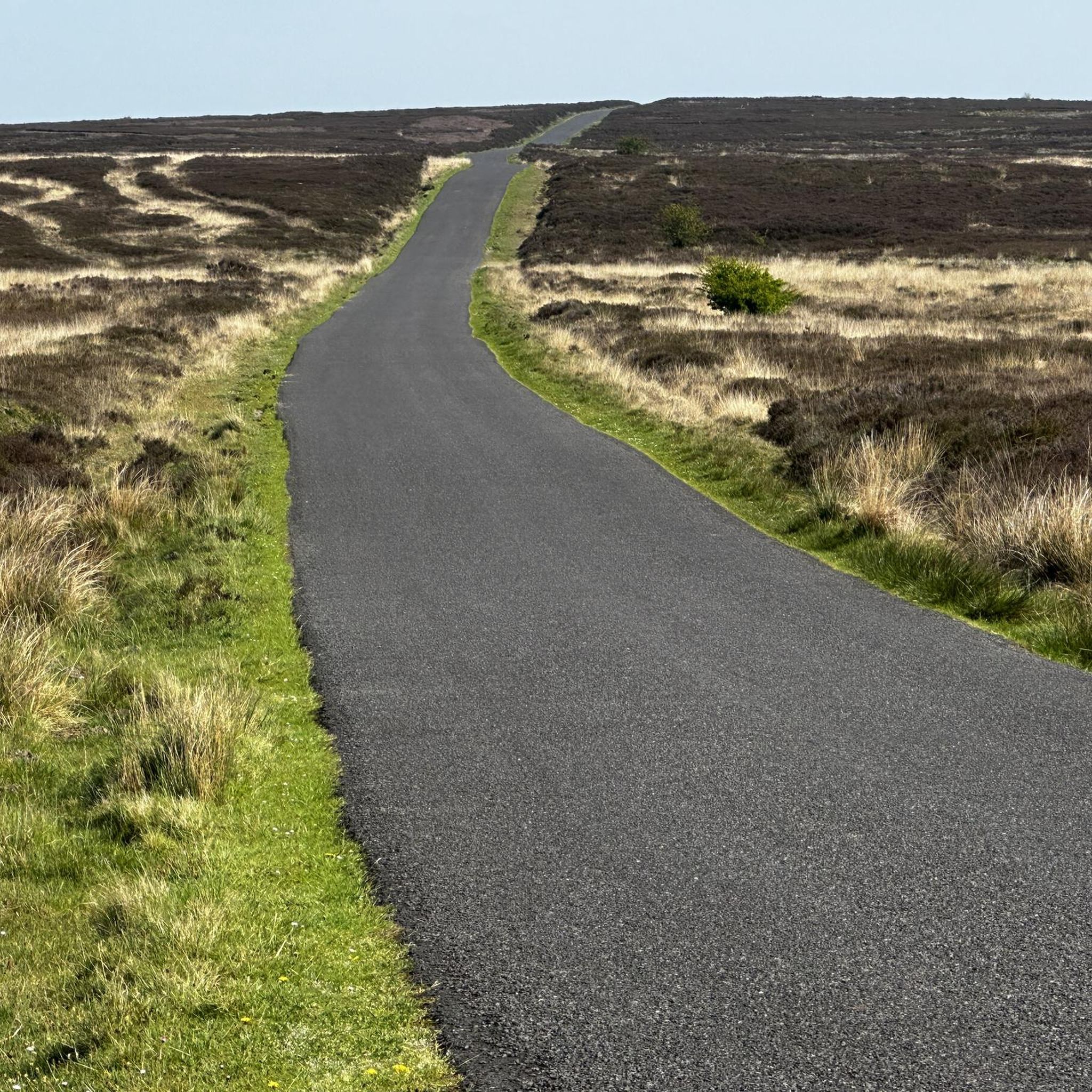
Sheriffs Pit is the location of an old iron mine. The views here are mint, you can see for miles through the valleys at the side of the double track
0
0
From Landofiron.org.uk: This landscape was utterly transformed during Rosedale’s Victorian ‘iron rush’ when Bank Top was a centre for the processing and transport of ironstone. Mining began in 1856, with ironstone hewn from nearby Hollins Mines and hauled by a steam winding engine up an inclined tramway to Bank Top. Vast quantities of ore – over 300,000 tonnes a year – were then processed in giant kilns, before being carried by moorland railway to blast furnaces in County Durham and Teesside. The Bank Top site also included coal depots, railway workers’ cottages and an engine shed. Production at Hollins peaked quickly and in 1885 the mines were abandoned, having largely exhausted their iron reserves in just 29 years.
1
0
See the Landofiron.org.uk website for more engaging details on the Sheriff's Pit and other surviving elements of the Rosedale Mines and Railway.
0
0
Najpopularnije rute oko Appleton-Le-Moors
Najpopularnije atrakcije oko Appleton-Le-Moors

Neka te inspirira komoot mobilna aplikacija


Istraži više
Još nisi našao Highlight koji tražiš? Pogledaj vodiče najboljih atrakcija u drugim regijama:
