Τα 19 καλύτερα φυσικά μνημεία Carn Brea
Το τοπίο της περιοχής Carn Brea είναι ένα υπέροχο μέρος για εξερεύνηση — κάτι που μπορείτε να βιώσετε καλύτερα επισκεπτόμενοι ένα από τα 19
πανέμορφα φυσικά μνημεία Carn Brea. Για να βρείτε αυτό που σας ταιριάζει, δείτε όλες τις λεπτομέρειες που χρειάζεστε και σχεδιάστε καλύτερα την επόμενη υπαίθρια περιπέτειά σας!
Τελευταία ενημέρωση: 28 Ιουλίου 2026
Godrevy Cove
Highlight • Μνημείο
Μετάφραση από Google •
Συμβουλή από

Basset's Cove
Highlight • Φυσικό μνημείο
Μετάφραση από Google •
Συμβουλή από

Εγγράψου τώρα για να ανακαλύψεις μέρη σαν αυτό
Λάβε προτάσεις για τα καλύτερα single tracks, κορυφές και πολλά ακόμα συναρπαστικά υπαίθρια μέρη.
Εγγραφή δωρεάν
Cadjack Cove
Highlight (Segment) • Παραλία
Μετάφραση από Google •
Συμβουλή από
St Agnes Beacon
Highlight • Σημείο θέας
SH Burton described it beautifully in 1952; 'The view from St Agnes Beacon is breath-taking. The high moorlands, heather and …
Συμβουλή από

Mirrose Well Cove
Highlight (Segment) • Σημείο θέας
Μετάφραση από Google •
Συμβουλή από
Εγγράψου δωρεάν για να ανακαλύψεις ακόμα περισσότερα φυσικά μνημεία Carn Brea.
Εγγραφή δωρεάν
Έχεις ήδη λογαριασμό;
Ξεκίνα σήμερα με έναν δωρεάν λογαριασμό
Η επόμενη περιπέτειά σου σε περιμένει.
Σύνδεση ή εγγραφή
Συμβουλές από την κοινότητα

Since the lighthouse is associated with the literary work of Virginia Woolf: Tilman Spengler is the man on German television who brings great authors and their works closer to culturally interested viewers. His series "Classics of World Literature" pays tribute to writers from all eras with a 15-minute episode (in German). One of these writers is Virginia Woolf (1882–1941). The segment can be found in the ARD Mediathek (ARD Media Library) at the following link: https://www.ardmediathek.de/video/klassiker-der-weltliteratur/virginia-woolf/ard-alpha/Y3JpZDovL2JyLmRlL3ZpZGVvLzkxODAyOWQ5LTZjOGUtNDEwYi1iODgyLTUwNzNlNTM3MWJiZA
0
0

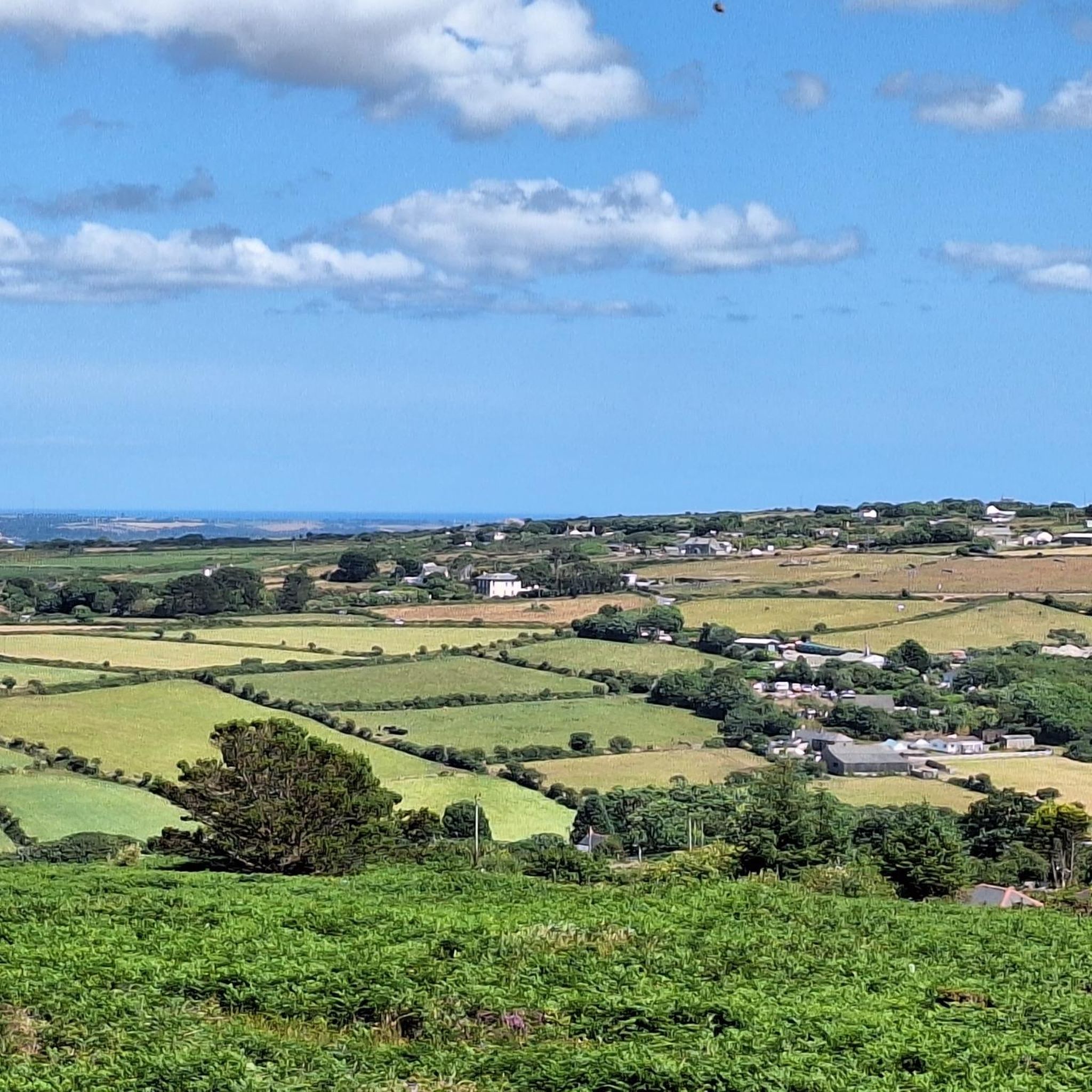
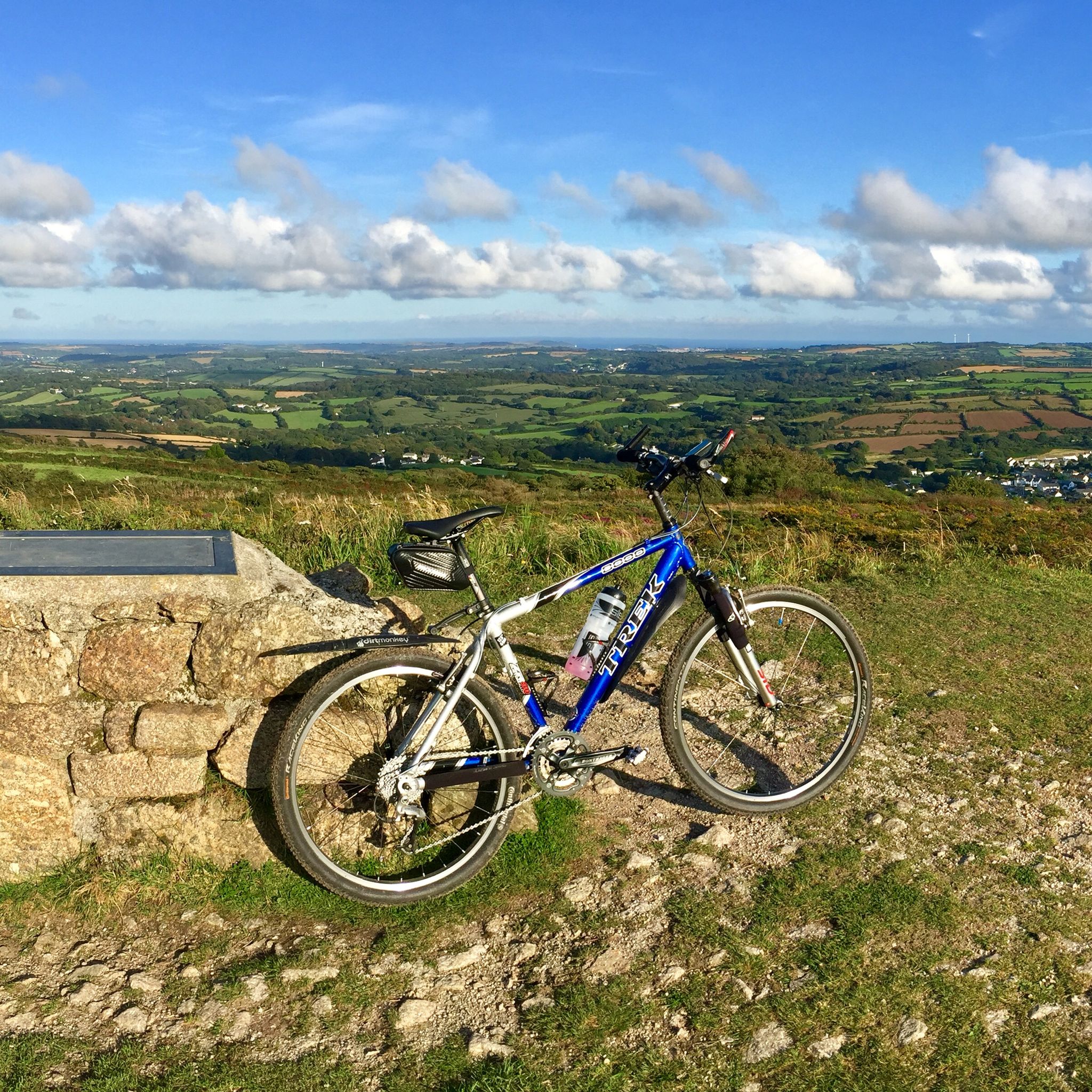
Breathtaking views. Especially when combined with the blooming heather!
0
0


Stunning panoramic views, well worth the hike to the top. SH Burton described it beautifully in 1952; 'The view from St Agnes Beacon is breath-taking. The high moorlands, heather and gorse clad; steep valleys and bubbling streams; the bracing winds and the infinite variety of land and seascape...' Or even better, F W L Stockdale called it ‘a remarkable stupendous mountain’ back in 1824.
1
0

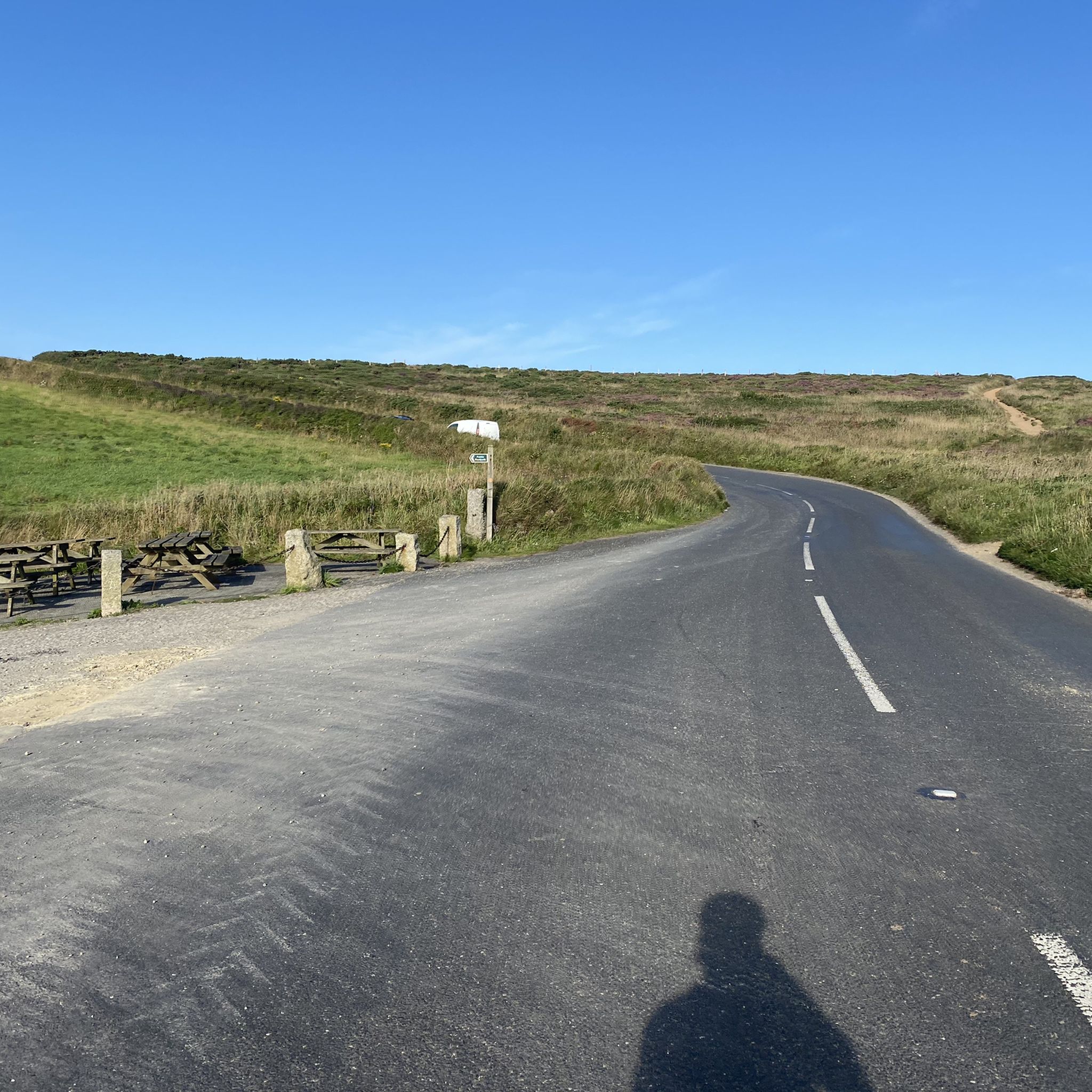
A beautiful spot to stop on a calm day, incredibly windy on a rough day. Plenty of choice of trails for walking or cycling. A special place to stop and admire the surroundings.
0
0

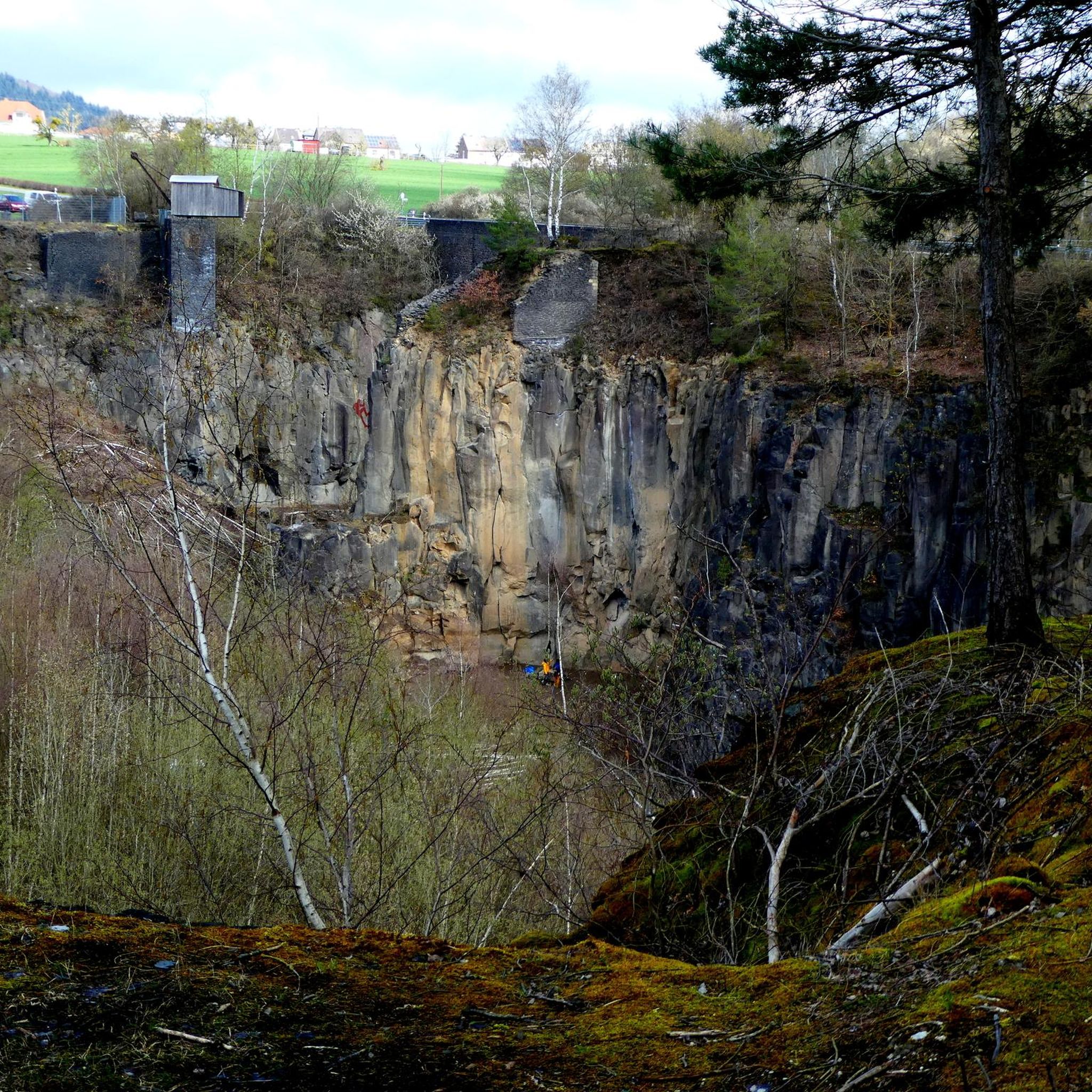
GB: In Cadjack Cove, tectonic features can be seen, such as faults (described in ⑦) and folds, which were formed during the Variscan orogeny as a result of pressure from the south. These folds are formed on different scales and range from a few inches to several hundred feet. In addition, the folds show different openings and curves. Very narrow folds with pointed angles are called kink bands. However, the folds seen in this bay are not the main folds of orogeny but represent folds that are folded in themselves. Another special feature in this bay is the pink to dark red coloring of the rocks. This is caused by iron-rich water that runs down the cliffs. EN: Tectonic phenomena can be seen in Cadjack Cove, such as faults (described in ⑦) and folds, which were formed by pressure from the south during the Variscan Orogeny. These folds are formed at different scales and range from a few centimeters to several meters. The folds also show different openings and curves. Very tight folds with acute angles are called kink bands. However, the folds seen in this bay are not the main folds of the orogeny, but rather represent folds that fold into themselves. Another special feature in this bay is the pink to dark red color of the rocks. This is caused by iron-rich water running down the cliffs.
0
0
The 7.3 km long circular route takes you back to a time when Cornwall was covered by sea and then became a Europe-wide mountain range. The sedimentary rocks of this area around Portreath were deposited in a deep marine environment during the Devonian age (ca. 393 - 373 million years): Greywacken: Gray rock with fine to coarse grains (0.3 - 2 mm; 0.01 - 0.08 inch), consisting of quartz, feldspars and fragments of foreign rocks. In some cases, shiny/shimmering components can be seen (mica), the rocks form layers and banks. Siltstones: Light gray rock with fine grains (<0.063 mm; <0.002 inch) that are not visible to the naked eye. Layers can be recognized based on the color difference. Slate: Gray to black, sometimes slightly red to greenish colored rocks with very fine grains (<0.02 mm, <0.001 inch), the rocks appear foliated with very thin layers, often alternating with greywackes. The originally horizontal sedimentary layers of Cornwall were tectonically overprinted around 323 - 299 million years ago during the Variscan orogeny (mountain formation). During this time, the southern major continent Gondwana collided with the northern major continents Laurentia and Baltica as well as smaller continent fragments (terranes) such as Avalonia and Amorica. The orogeny ended approximately 270 million years ago with the formation of the supercontinent Pangea. Due to the pressure from the south, the sedimentary rocks were compressed, folded and internally transformed under increasing temperatures. This is how slates emerged from the original claystones. There are no deposits in the area for the period between the formation of the Devonian rocks until 3 million years ago. During the Ice Age 3 million years ago, the region of modern-day Cornwall lay in a tundra area south of the glaciers that covered the Northern Hemisphere. Periglacial deposits from this period can be observed on the cliffs.
0
0
Οι πιο δημοφιλείς διαδρομές Carn Brea
Τα πιο δημοφιλή αξιοθέατα Carn Brea

Εμπνεύσου με την εφαρμογή komoot για κινητά


Ανακάλυψε περισσότερα
Επέκτεινε την αναζήτησή σου για τις καλύτερες σπηλιές βλέποντας αυτούς τους οδηγούς με τα κορυφαία Carn Brea:
